
Key Takeaways
Koh Ker & Beng Mealea provide tranquil temple visits.
Battambang mixes French elegance with Khmer heritage.
Kampong Phluk highlights living on stilts at Tonle Sap.
Phnom Kulen provides religious shrines and scenic views.
The Bamboo Train and Bat Cave in Battambang cannot be missed.
What lies beyond Angkor: Day Trips from Siem Reap
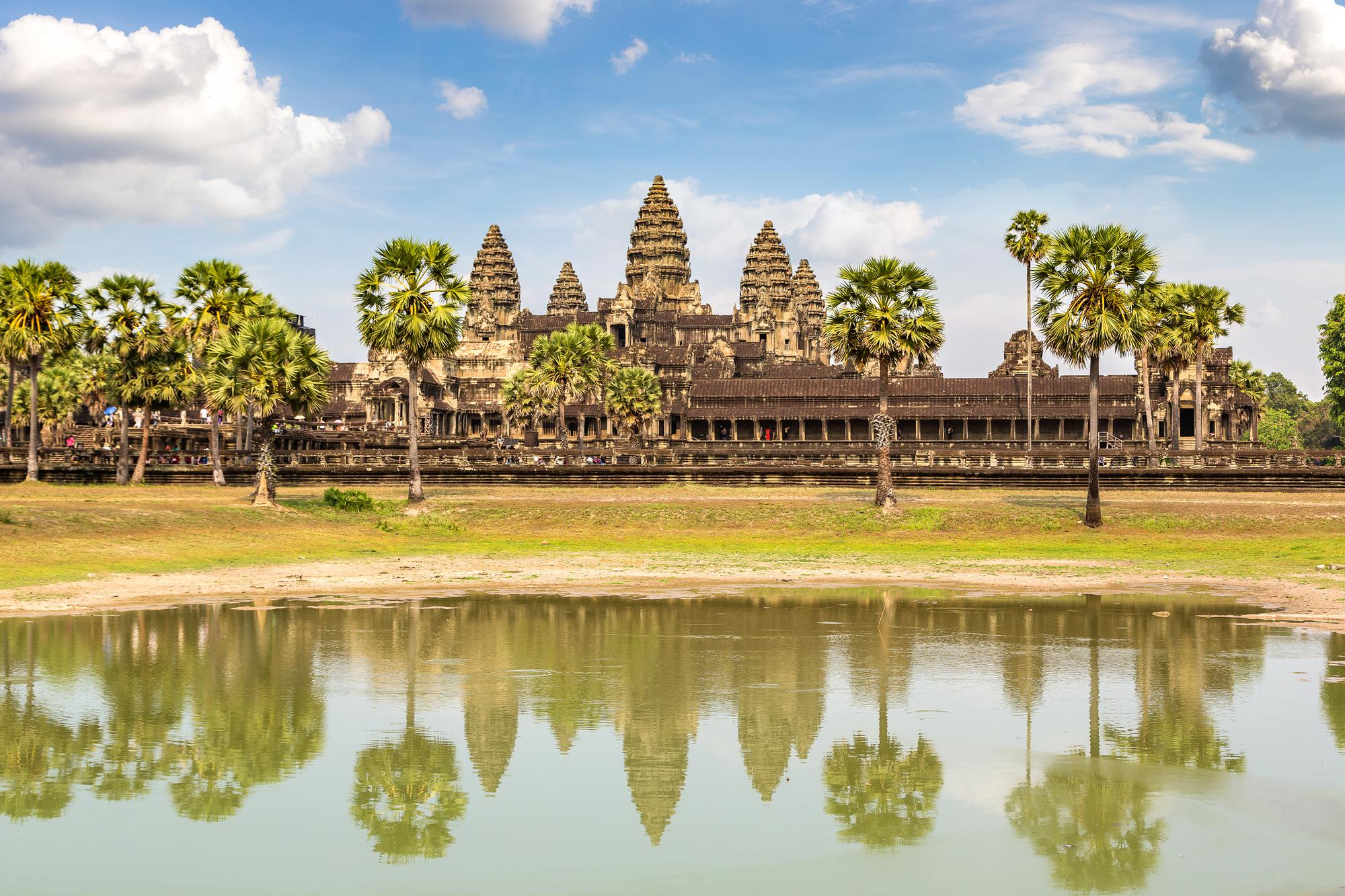
Despite sitting at the gateway to Cambodia’s most popular tourist attraction, the marvellous UNESCO site of Angkor Wat and other Khmer temples, Siem Reap has somehow managed to retain the grace and charm of a languid small town. And once you have had your fill of sunrise and sunset tours of these temple wonders, it is time to head out of town for other interesting and fulfilling day trips.
A note: take note that public transport is non-existent in Siem Reap, hence all travel must be by private car (or for the truly brave of heart, minivans and tuk-tuks). Thankfully, road conditions have improved in recent years, making day trips from the city easier and more comfortable. Make sure to book your private vehicle well in advance, especially during the peak season from November to February.
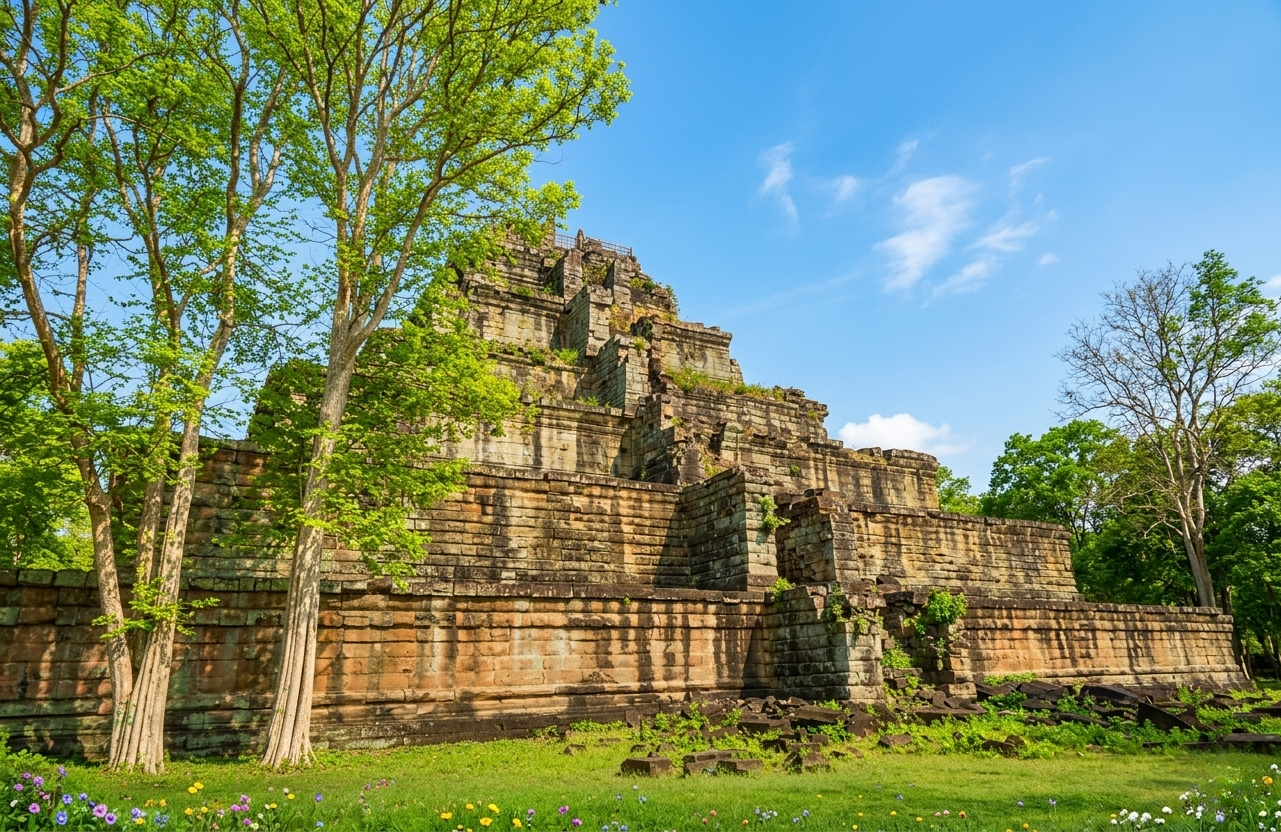
World Heritage, but emptier: Koh Ker & Beng Mealea
If you can do just one day trip from Siem Reap, we would recommend this. Yes, it’s another temple tour, but you are likely to have this one all to yourselves.
About 120 kilometres northeast (roughly 2.5 hours drive) of town, Koh Ker served as the Khmer Empire's capital for a brief but spectacular period and left behind extraordinary treasures. The centerpiece, Prasat Thom, is a 36-metre-high, seven-tiered pyramid resembling Mesoamerican structures. The pyramid involves steep steps and uneven ground — take your time, and wear good hiking shoes.
On your way back, stop at Beng Mealea, a 12th-century temple that is believed to have been a prototype for Angkor Wat. Largely abandoned to the forest, massive tree roots have taken over the ancient stones here. But the site has boardwalks for comfortable walking.
An interesting detour to Phnom Kulen is rewarding for the truly curious. It is a sacred spot for locals, with a river running over a thousand Shiva lingas (Hindu phallic symbols) carved into its bed, and a giant reclining Buddha statue atop the sandstone cliff which makes for a contemplative end to a long day of temple-hopping.
Tip: if you want a fully organised shared minibus tour, Siem Reap Shuttle runs the combined Koh Ker–Beng Mealea trip for around $50 per person (excluding entrance fees), with hotel pickup. A private tour through GetYourGuide also runs from $50 per person depending on group size, with all entrance fees included.
Colonial charms in Battambang
Battambang province lies to the west of Siem Reap, offering a compelling mix of colonial French architecture, ancient Khmer temples, and the infamous “Killing Cave” that now serves as a memorial to the cruelties of the Khmer Rouge regime. This quiet town gets on with its life and routine, regardless of tourists, making it all the more appealing as an offbeat discovery. You can easily cover all important sights on a tuk-tuk ride.
One popular – if somewhat dicey – activity here is the “bamboo train” powered by a small motor that chugs on narrow-gauge tracks along lush paddy fields. A ticket costs just $5 and takes about 15 minutes each way, with a stop at a small village midway. It's absurd and fun - just the kind of thing that makes for incredible dinner table conversation for years after.
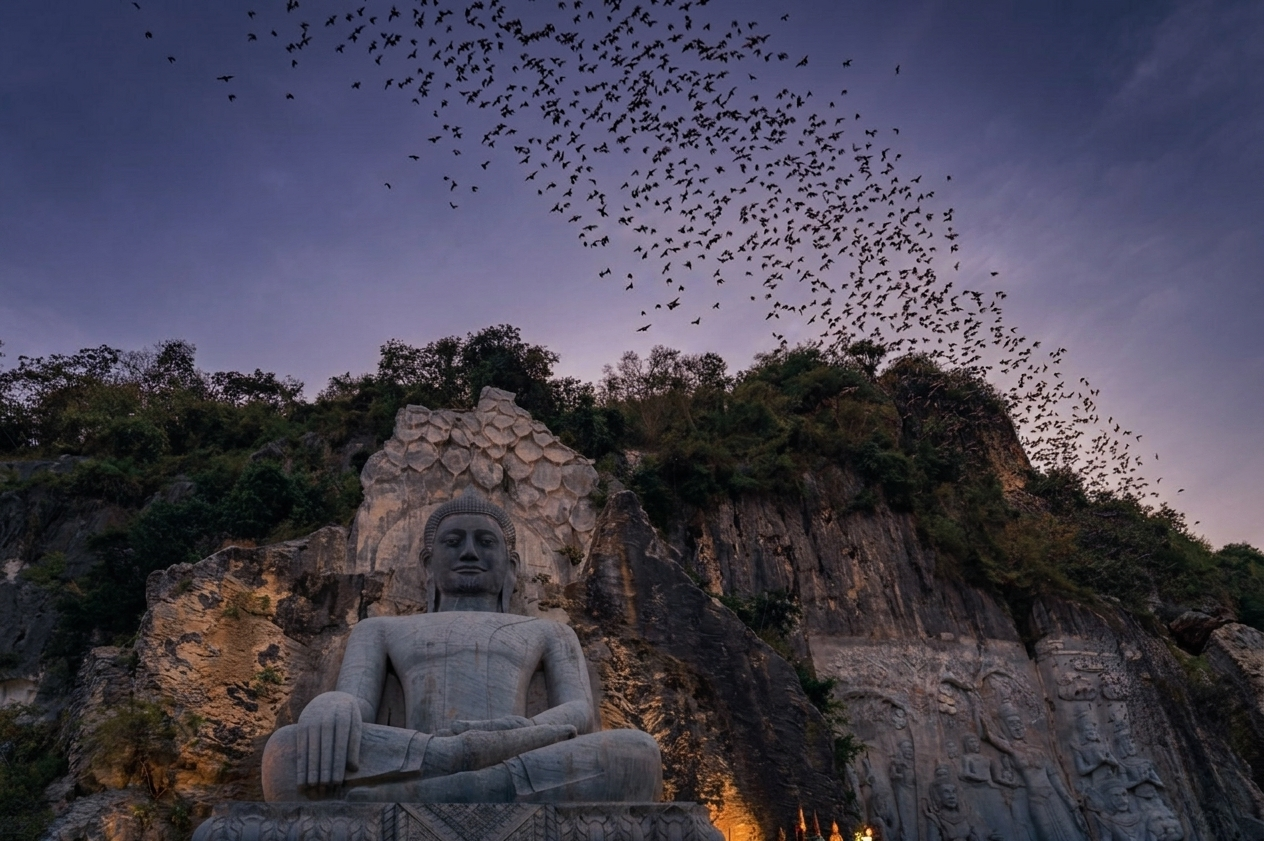
Don’t miss a visit to the bat cave at Phnom Sampou at sunset, to watch thousands of these winged creatures pour out in a spectacle that goes on for a surprisingly long time. The pathway has some steps, but it is nothing too difficult.
Tip: Battambang is approximately three hours away from Siem Reap—depart early to be back for a late dinner in the city. Viator's Battambang Full Day Tour covers the bamboo train, Wat Banan temple, the Killing Caves, and the bat exodus for around $60–$80 per person on a shared basis. Private tours by Guiding Cambodia run from around $115–$160 per person depending on group size.
Life on the water at Kampong Phluk
Very close to the city is a community of several villages built on stilts along the main channel leading to the Tonle Sap, Southeast Asia's largest freshwater lake. The experience varies dramatically depending on when you visit: in the wet season, houses appear to float above the water, whereas in the dry season, you can walk the streets between stilt homes rising above the ground.
Kampong Phluk is home to about 1000 families, and the community has adapted its daily life entirely around the whims and moods of the water. It is quite remarkable to observe this specific lifestyle in its authentic setting.
For a more immersive and responsible travel experience, consider Kompong Khleang instead, where profits from tours are donated to the Bridge of Life School to fund education and clean water projects. Don’t miss the spectacular sunset over the water. And if you have the time, you can club this with a tour to a lotus silk farm nearby.
Tip: A half-day Kampong Phluk tour with boat, guide, and hotel pickup starts from just $20 (approximately) per person, providing excellent value. Try the Sunset Kampong Phluk Tour by Viator. For the Kompong Khleang experience, Community First Tours runs small-group outings from around $60 per person.
FAQs
1. Which are the top day tours in Siem Reap?
Koh Ker & Beng Mealea, Battambang, Kampong Phluk, and Phnom Kulen.
2. What’s the distance between Siem Reap and Koh Ker?
It’s 120 km (2.5 hours by road).
3. What makes Kampong Phluk special?
Villages built on stilts that adapt to Tonle Sap water level.
4. What should you do in Battambang?
Ride on bamboo train, explore Killing Caves, see bats migration.
5. How do you get to Phnom Kulen?
Through private car or when taking tour to Koh Ker & Beng Mealea.