
Key Takeaways:
Ubud's Artistic Heart: Discover Balinese art history at Ubud's top museums.
Art Markets: Shop for paintings, crafts, and souvenirs at Bali's vibrant markets.
Village Art Trails: Explore Batuan, Batubulan, and Celuk for unique art forms.
Street Art: Find colorful murals in Canggu and Ubud showcasing Bali's culture.
Hands-On Workshops: Try painting, wood carving, or jewelry-making in Bali.
Contemporary Art Spaces: Visit Uma Seminyak and Purga Art Space for modern art.
An art attack in Bali
The first time I went to explore Bali’s art scene, I had assumed I would just pop into a few popular galleries in Ubud, maybe buy a painting that really spoke to me, and call it a day.
But Bali doesn’t work like that. Art here isn’t tucked neatly inside galleries and museums, but spills out onto the streets and into everyday life. And before you know it, what starts as a casual walk turns into a full-blown journey of discovery through the island’s creative soul.
It all begins in Ubud
Start your art exploration in Ubud, where Bali’s artistic energy strums with uncontained emotion. This is also a great place to get a sense of the island’s art history. Traditional Balinese art once followed the Kamasan or Wayang style, inspired by Hindu epics like the Ramayana and Mahabharata. The early 20th century saw the arrival of Western artists, introduced new perspectives of landscapes, village scenes and local activities on to Balinese art.
For a quick understanding, step into Ubud’s museums. The Puri Lukisan Museum with its stunning collection of traditional works forces you to step back and slow down, while the Neka Art Museum and Agung Rai Museum of Art (ARMA) take it up a notch, with the displays blending classical styles with more modern interpretations.
When you want to take it home
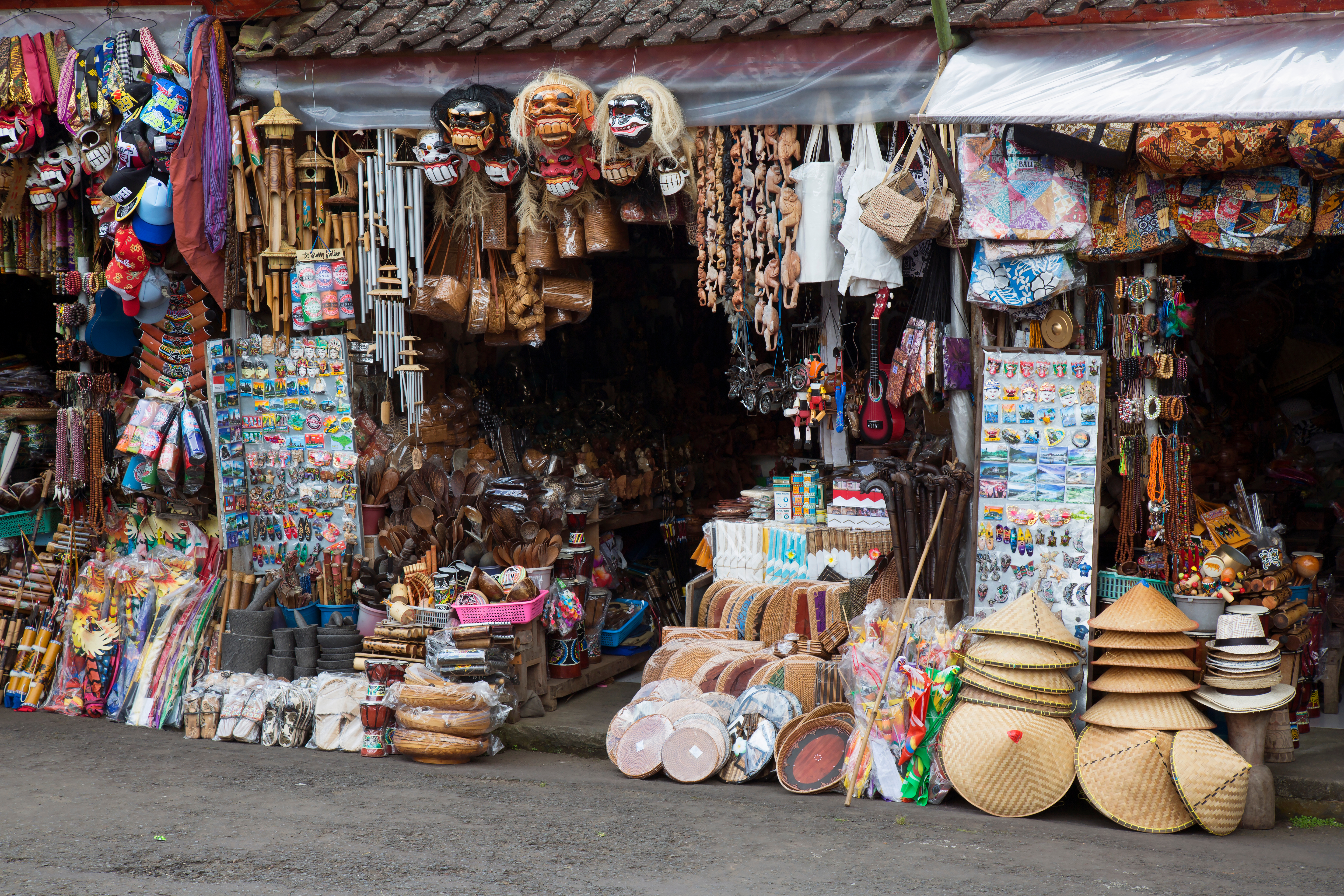
Once you gain some perspective of Bali’s old and layered connection with art, it’s time to explore the markets. The colourful and chaotic Sukawati Art Market is a true feast for the senses, and a great place to begin. One minute you’re looking at framed paintings of lush rice fields, and the next, you’re picking up an exquisite hand-carved mask that you had no intention of purchasing. But that’s the whole point.
If you would like a slightly more curated approach, then the Ubud Art Market, right in the heart of is just perfect for browsing through not just paintings, but also textiles, crafts and artisanal souvenirs.
For something more local and less touristy, check out the Guwang Art Market near Sukawati. It feels like a quieter alternative, where you can take your time browsing and bargaining, without being jostled by crowds. Elsewhere, the Kuta Art Market by the beach serves up souvenir shopping powered by seaside energy.
Village Trails
If you would like to get a closer look at the creators behind the art, it is time to step outside Ubud, where you will find entire villages with their own artistic identities. In Batuan, you can see the Batuan Painting Style which is characterised by intense, crowded, and often monochromatic (black-and-white ink) themes, depicting daily Balinese life, folklore, and mystical scenes.
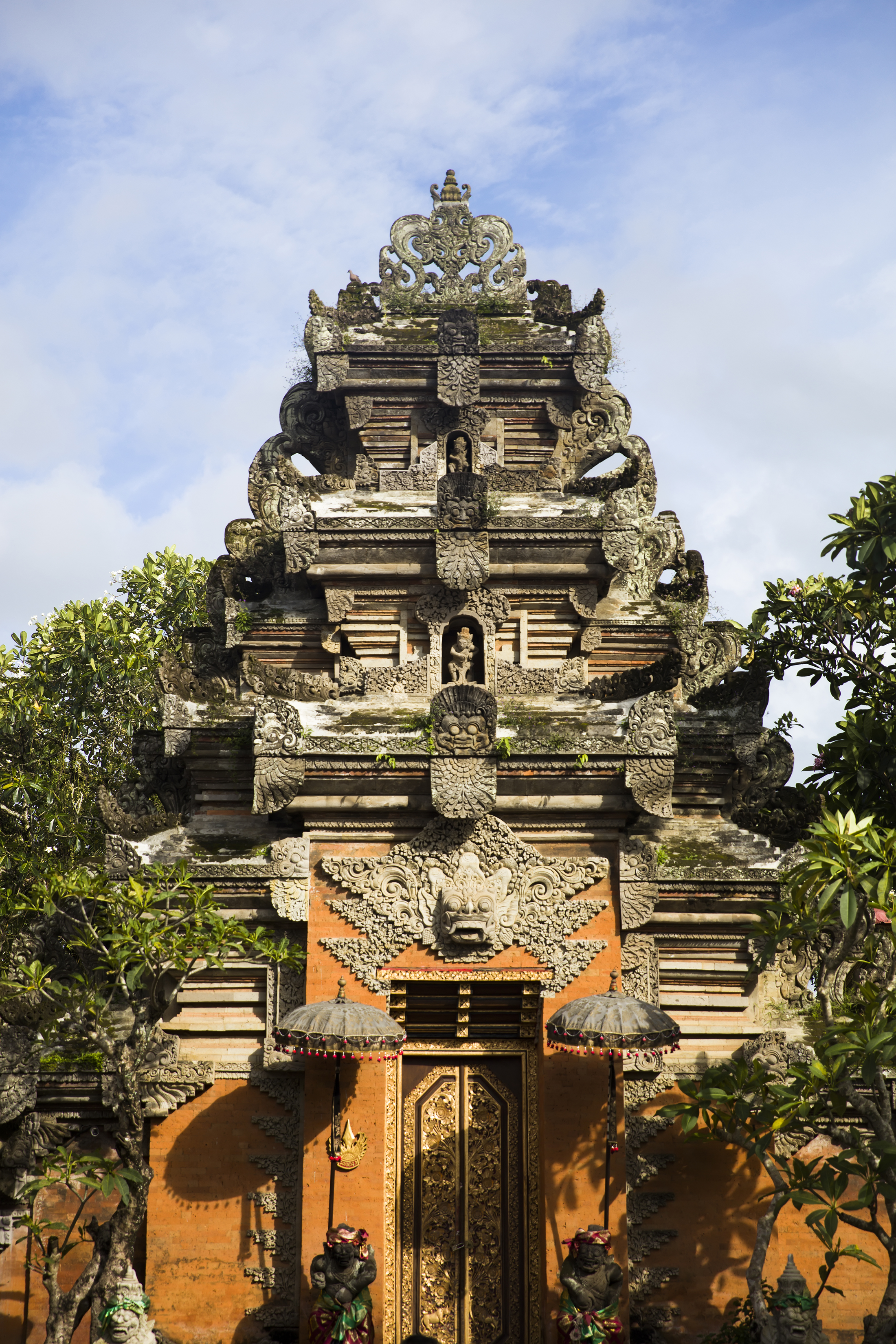
If you head to Batubulan, the focus shifts to sculpture. Streets are lined with stone carvings of gods, mythological figures and temple guardians, many of them work in progress, still being given form by master sculptors. Then there’s Celuk, Bali’s silver village, where you will catch sight of artisans bent over delicate designs that require a sharp focus as well as fine creative instincts. Many places let you customise your own piece, making the shopping feel like a collaborative process.
Art on the walls
You don’t expect street art in Bali (at least, I didn’t), but once you start noticing, it’s everywhere, especially around Canggu and parts of Ubud. So keep your eyes open for these wall murals that showcase sometimes playful, sometimes political, but always deeply personal, imagery. This is also part of Balinese storytelling - although newer in origin, these murals reflect themes of changing culture and identity, as Bali grapples with modernism and the gradual loss of a traditional way of life.
Learning to paint
If you have always wanted to try your hand (pun intended) at learning to paint, Bali is a great place to sign up for a class. There are plenty of traditional painting classes, especially in places like Keliki village just outside Ubud. These paintings are detailed and intricate, and require a lot of time, attention and patience. But a single class can give you a deeper appreciation for Balinese art and culture than any gallery or museum ever could.
And then there are other art forms to learn at wood carving workshops, where you can shape your own souvenir with simple tools and (a lot of) guidance from master artisans. Silver jewellery classes are also popular, allowing you create a ring or pendant over the course of a few hours.
Art, with a side of kopi
Although traditional motifs and styles continue to dominate, Bali’s contemporary art scene is also thriving alongside. In Seminyak and Ubud, there are dozens of creative spaces that blur the lines between gallery, café and culture hub.
At Uma Seminyak, you might step in for a coffee or just out of curiosity, and discover a rich community space that hosts exhibitions, workshops, performances and even film screenings. You’ll linger for much longer than it takes to drink a coffee, we can assure you. Then there are newer venues in Ubud like Purga Art Space, which shine the spotlight on emerging talent. These galleries provide a glimpse into the new and the experimental, and the way much of it is still rooted in tradition.
FAQ Section:
1: What are the must-visit art museums in Ubud?
The Puri Lukisan Museum, Neka Art Museum, and Agung Rai Museum of Art (ARMA) are top choices for exploring Balinese art history and modern interpretations.
2: Where can I shop for Balinese art and souvenirs?
Sukawati Art Market, Ubud Art Market, and Guwang Art Market are great for paintings, crafts, and unique souvenirs. For a beachside vibe, check out Kuta Art Market.
3: Which villages are known for their unique art forms?
Batuan is famous for its intricate paintings, Batubulan for stone sculptures, and Celuk for silver jewelry craftsmanship.
4: Can I learn traditional Balinese art in Bali?
Yes, you can join painting classes in Keliki village, wood carving workshops, or silver jewelry-making sessions to create your own art piece.
5: Where can I find contemporary art in Bali?
Creative spaces like Uma Seminyak and Purga Art Space in Ubud showcase modern art, exhibitions, and cultural events.
6: Where can I see art in Bali?
Ubud is the hub — museums (ARMA, Neka, Puri Lukisan) plus galleries like Purga and Strada. Canggu has street art.
7:Where's contemporary art?
Purga Art Space and Strada, plus Canggu's independent galleries and street art.
8:What is Balinese art known for?
Its painting traditions — classical Kamasan temple art and the later Ubud and Batuan village-scene styles — plus woodcarving and stonework.