
Key Takeaways
Check out Seoul’s diversity before taking day trips.
Tour the DMZ to learn about history in a very different way.
Learn about ceramics at Icheon.
Get into nature at Museum SAN, Wonju.
Enjoy Jeonju’s culture, food, and paper-making tradition.
Slow time in Seoul: Day trips from the South Korean capital
South Korea is a nation of extraordinary natural beauty and thriving arts and crafts traditions, often overshadowed by its more illustrious neighbour Japan. But the country’s multiple layers of nature, history and culture reveal themselves slowly to those who spend enough time seeking experiences beyond the obvious.
The best place to start your South Korea journey is obviously the bustling capital city of Seoul – a city of contrasts (think Joseon era palaces and glitzy shopping malls rubbing shoulders) and immense charm. Once you have had your fill of Seoul, it is time to head out on day trips – whether on a cherry blossom trail or in search of immersive cultural experiences.
Here is our pick of the best:
A peek into the past (that blends into the present) at the DMZ
A trip to the DMZ (Demilitarized Zone), only an hour from Seoul, is a must for anyone visiting Seoul – after all, it is the only place on earth where you can stand at the fault line of a war that never technically ended.
Knowing a few key things will save you time and energy:
It is mandatory to book a guided tour, since independent visits are not allowed. The site is closed on Mondays. The iconic blue huts are off-limits, but you can peer into North Korea through binoculars and walk through a tunnel originally dug by North Korean spies.
The half-day tours (5–6 hours) cover the highlights comfortably, but you can take it slow and do a full day tour instead, combining a visit to the historically significant Haengju Fortress. Closures at DMZ may happen without notice so keep a backup plan to accommodate sudden changes in itinerary.
Tips:
Military style clothing (like camouflage prints) is strictly prohibited
Wear comfortable shoes for walking and climbing
Be aware that tunnels in this area may involve narrow spaces and steep climbs
A craft-y day at Icheon
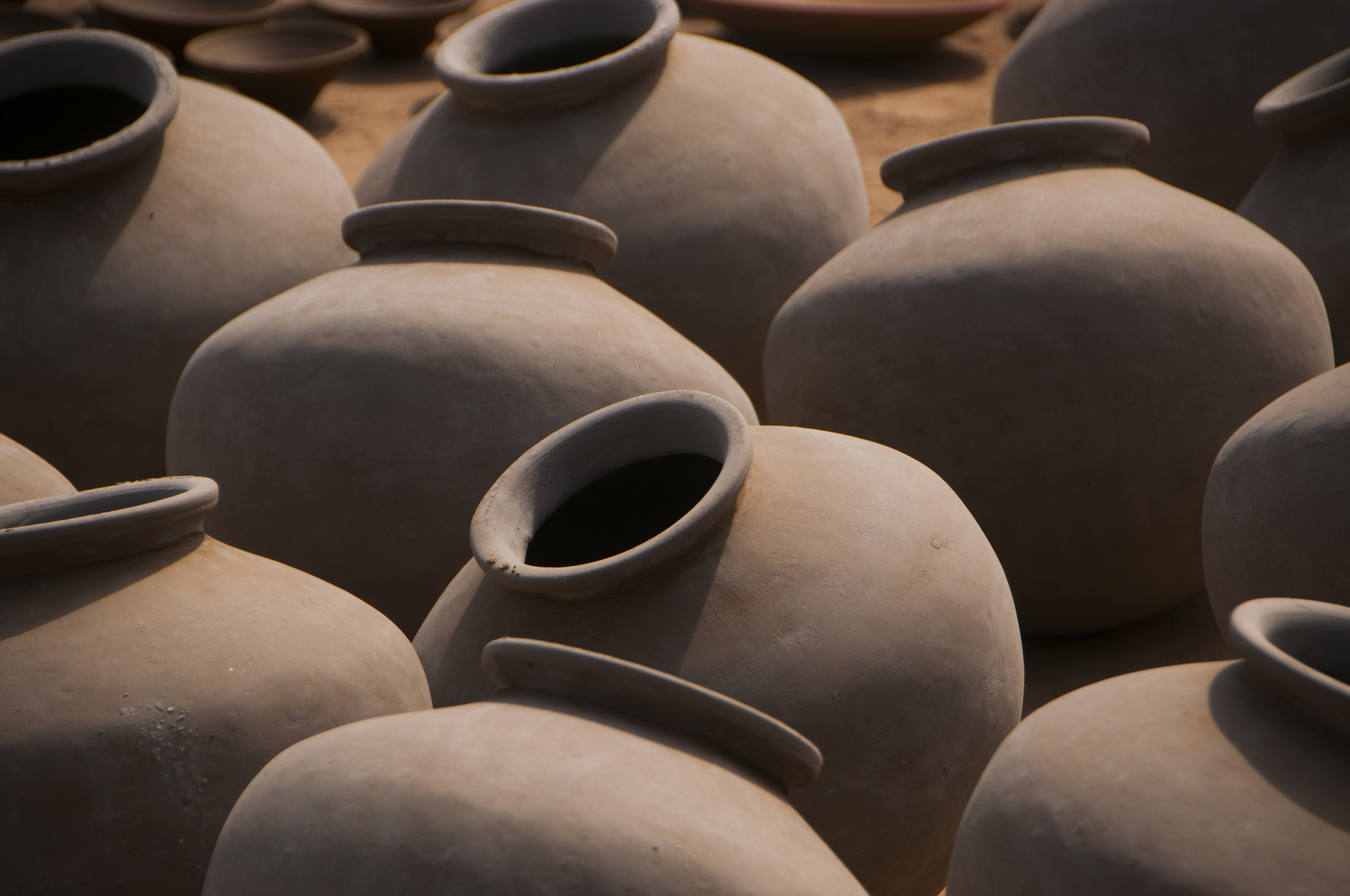
Icheon, a UNESCO City of Crafts and Folk Art, where ceramic art has flourished for millennia, is a mere 80kms from Seoul (not to be confused with modern Incheon, where the international airport is located). This is where you can try your hand at learning this prized craft form.
Workshops here range from single-day introductions to multi-week residencies, depending on your time and interest. Consider this five-day Onggi Masterclass with Master potter Kwak Kyung-tae who teaches traditional earthenware craft at a purpose-built studio.
While day workshops cost between $60–90 per person, this 5-day residency in September 2026 is a whopping £2,300 per person ($3000).
Tips:
Time your visit to the annual Icheon Ceramic Festival in May
Pair Icheon with Museum SAN in Wonju (40 min drive) for a full day of art immersion
A day at the Museum SAN, Wonju
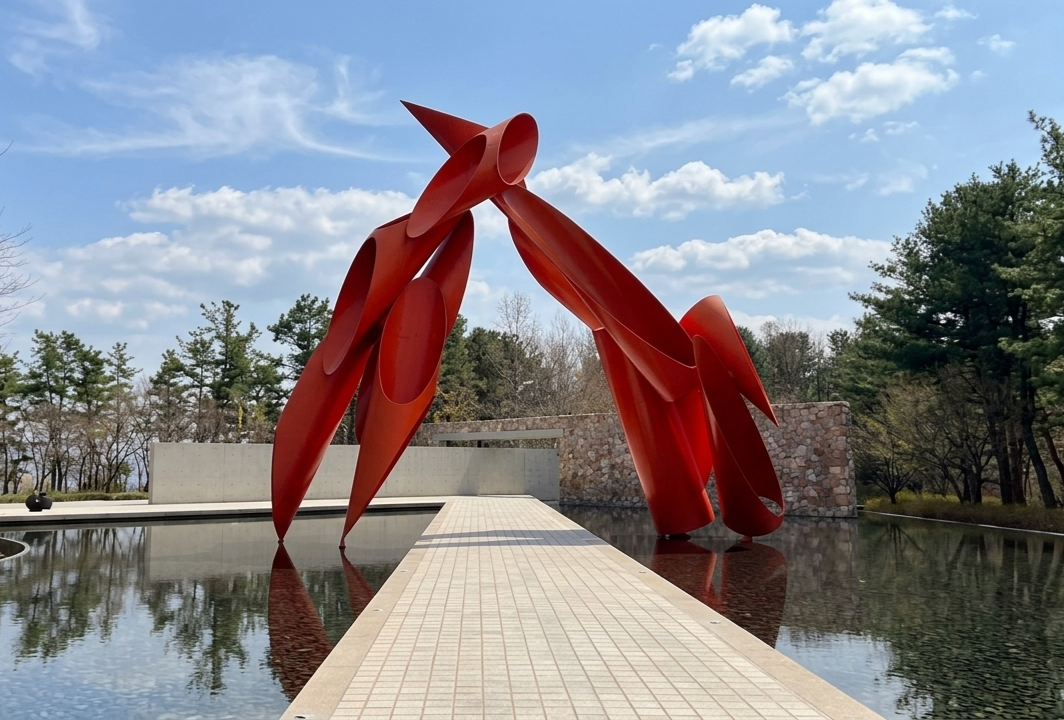
Designed by legendary Japanese architect Tadao Ando, Museum SAN sits in a wooded valley in the Gangwon mountains, 100 kms from Seoul. Its concrete forms dissolve into the landscape through gardens and forest paths, offering a relaxing, soothing experience. Inside the museum, there are several permanent installations that anchor a thoughtful collection of contemporary Korean art.
Join a guided meditation session using singing bowls (free with a signature ticket) for an unexpectedly moving experience to end the visit. Open 10am–6pm; closed Mondays
Tips
The late afternoon light in the James Turrell room is extraordinary
Spend some time at the café taking in the views
Weekdays are quieter; autumn is stunning but busy
Involves some walking on gravel paths and gentle slopes
A wheelchair-accessible route exists but the outdoor stone garden has uneven surfaces.
Culture tripping in Jeonju
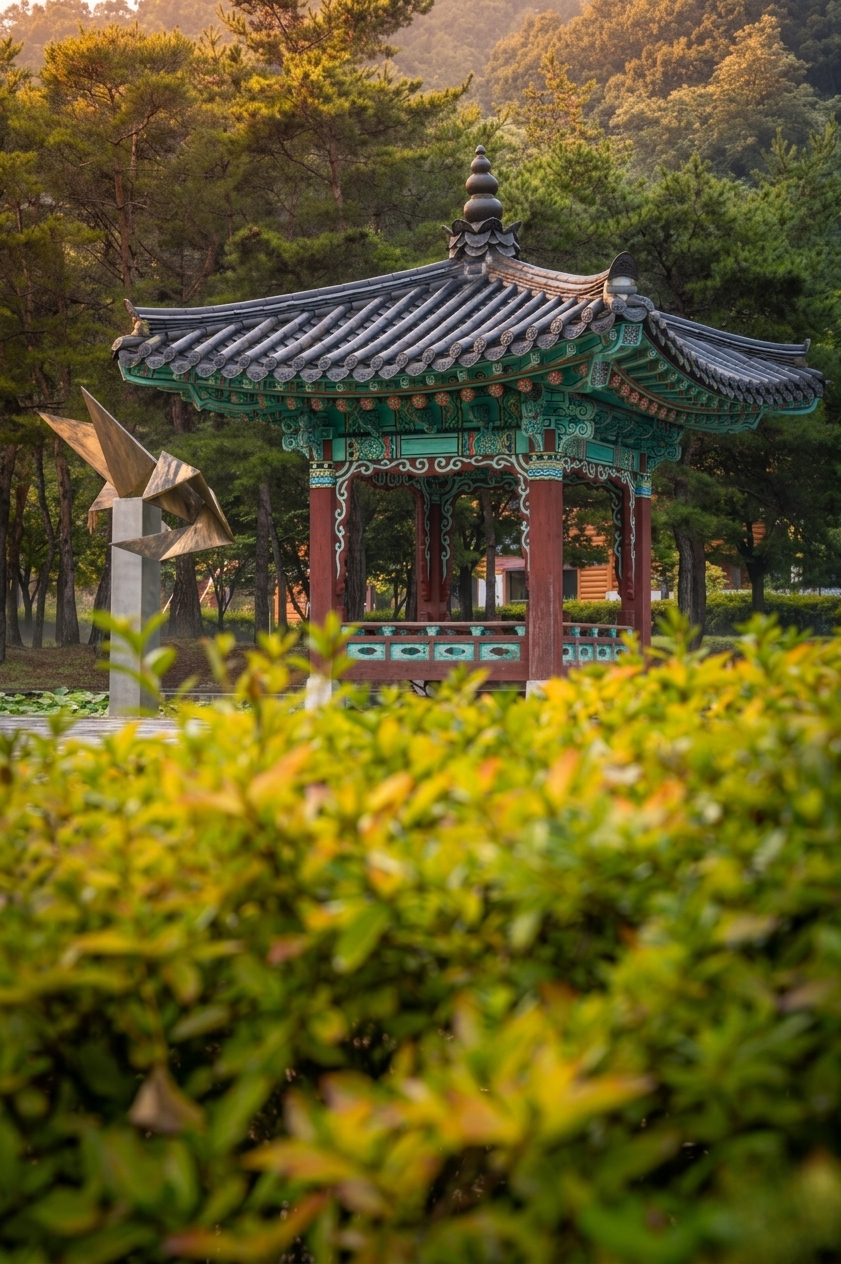
The culturally layered city of Jeonju is both the gastronomic capital of the country and the home of hanji (handmade mulberry paper), a craft going back at least 1500 years. Unlike some of the more popular tourist towns, Jeonju feels lived-in and heartily local, with the traditional way of life not yet displaced. Take the KTX fast train from Seoul (170 kms / 1hr 40min).
The Hanok Village packs over 700 traditional houses in a walkable neighbourhood; linger after dusk to see lantern-lit streets transform. And if possible, stay overnight in a hanok guesthouse with ondol (heated floors) and breakfast ($60–150/night).
Consider attending a free papermaking workshop at the Jeonju Hanji Museum to learn about sheet formation by hand from mulberry bark fibres, in a calm and meditative session. Open Tuesday–Saturday, 9am–5pm; closed Sunday and Monday.
Jeonju is the birthplace of the bibimbap, but look for local eats beyond this signature dish – try the kongnamul-gukbap (soybean sprout rice soup) for breakfast, crispy jeon pancakes, and makgeolli rice wine in the market beside the village.
Tips & Access
Hanok Village has some cobbled and uneven surfaces - comfortable walking shoes are advisable.
The main approach roads are paved. The Hanji Museum is on flat ground and fully accessible
Check out these tours:
A spiritual sojourn to the Magoksa Temple at Gongju
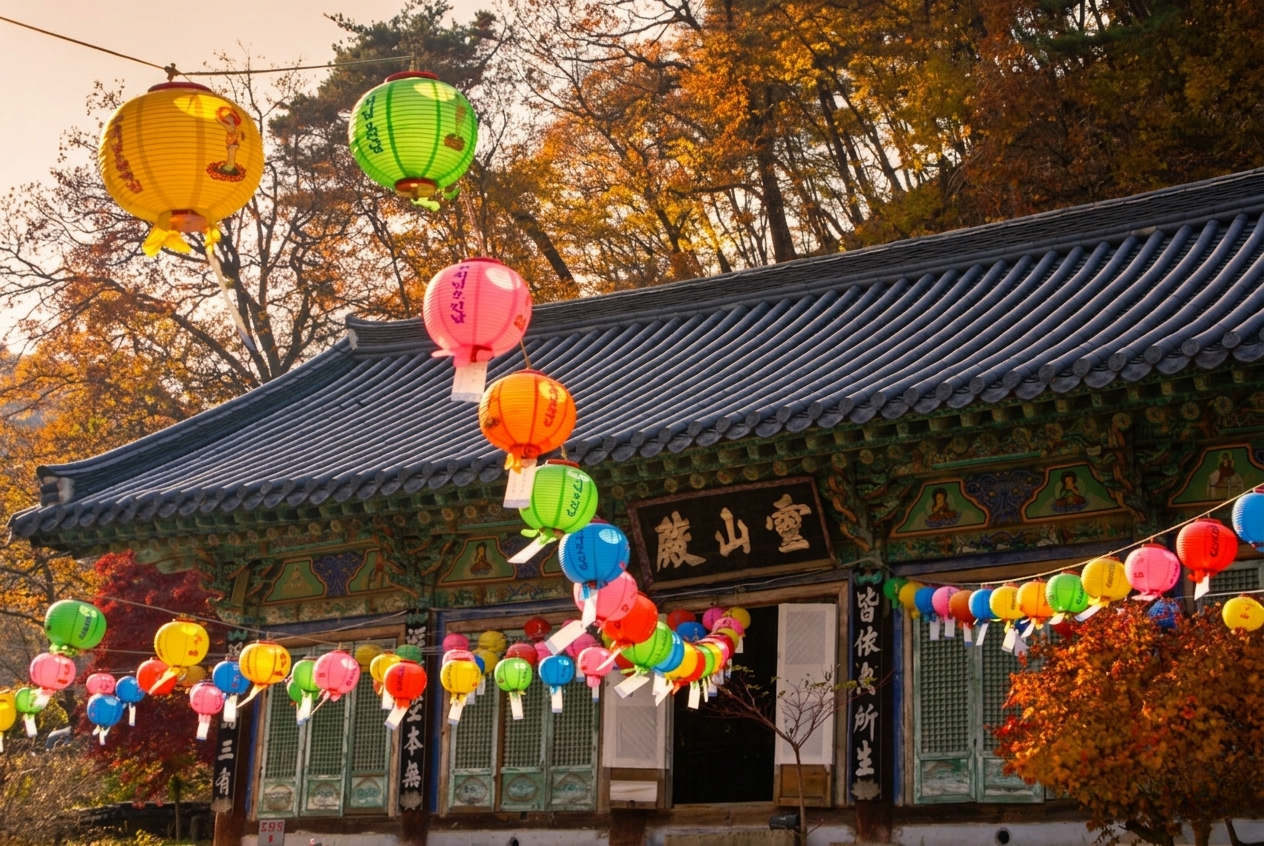
Just 130 kms from Seoul, the UNESCO World Heritage site of Magoksa is one of South Korea’s seven sansas (mountain Buddhist monasteries), located deep in a forested valley of pine and chestnut trees.
The walk to the first gate marks an act of decompression, with birdsong and the sound of water permeating through the complete silence. An overnight temple stay at Magoksa is a great way to experience Buddhist culture at its most meaningful.
You can take part in the bell ceremonies, seated meditation sessions, short dhamma talks, and communal temple food (sacheol eumsik - a form of vegetarian cooking without pungent vegetables, considered extraordinary in restraint and depth of flavour).
Book via: templestay.com
Tips
In Spring (April–May) and autumn (October), the valley explodes in spectacular colours
Combine with a night in Gongju city to explore the Gongju National Museum
The forest path is mostly compacted gravel, and manageable for most walkers. The temple grounds are flat, and a shuttle service operates from the car park on busy days
Take a direct bus from Seoul to Gongju, and then a taxi (~30 min) to Magoksa
FAQs
1. What are the best day trips from Seoul?
DMZ, Icheon, Museum SAN, Jeonju, and Magoksa Temple.
2. How far is the DMZ from Seoul?
About an hour's drive; guided tours are mandatory.
3. What is special about Icheon?
UNESCO City of Crafts, known for ceramic art and workshops.
4. What can I do at Museum SAN?
Enjoy contemporary art, meditation sessions, and scenic views.
5. Why visit Jeonju?
It's the gastronomic capital and home to hanji paper craft.