2 Sep 2024|Mekong Delta
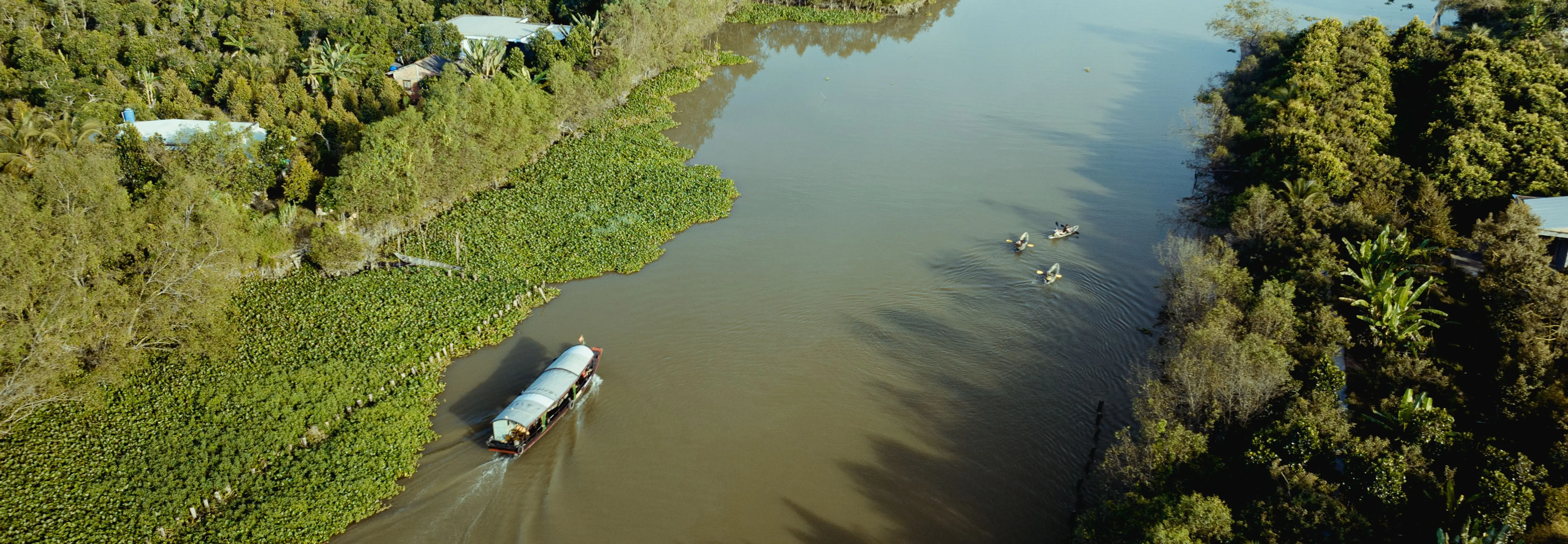
The Mekong River, also known as the “Mother of Water”, is one of the world’s greatest waterways. It plays a pivotal role in supporting the communities along its banks, with millions depending on its waters for their livelihoods. Much more than a geographical marvel, the Mekong River has woven a rich tapestry of cultures, communities and ecosystems.
For those looking for a truly authentic and immersive adventure through the Mekong Delta, Aqua Mekong presents an expedition unlike no other. To give you a glimpse of what awaits, here are some fascinating facts about the Mekong River.
Where is the Mekong River located?
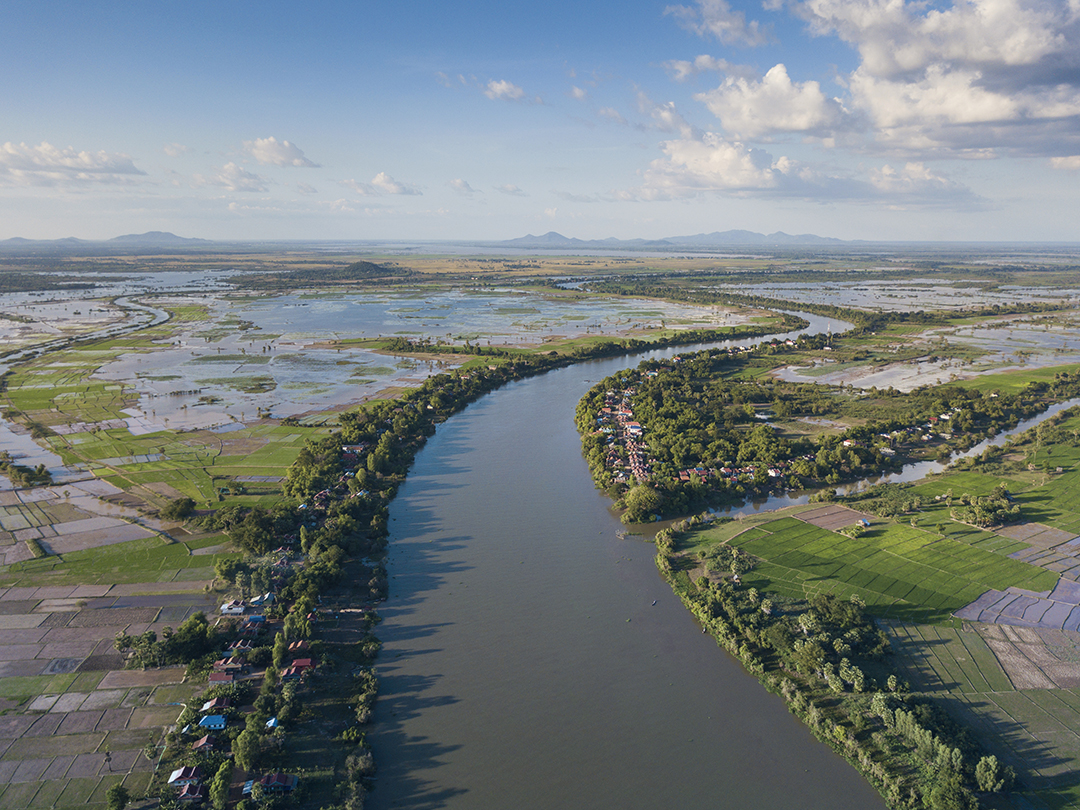
Sharing its origin with the other two great rivers of Asia, the Yellow and Yangtze rivers, the Mekong river’s headwaters are located at Sanjiangyuan – an area in the great Tibetan Plateau that translates literally to “Source of Three Rivers”. From here, it breaks away from its sister rivers and flows into the heart of Southeast Asia, crossing through six country boundaries along the way.
Where is the Mekong River located?
Sharing its origin with the other two great rivers of Asia, the Yellow and Yangtze rivers, the Mekong river’s headwaters are located at Sanjiangyuan – an area in the great Tibetan Plateau that translates literally to “Source of Three Rivers”. From here, it breaks away from its sister rivers and flows into the heart of Southeast Asia, crossing through six country boundaries along the way.
What cities are located along the Mekong River?
From the Funan Kingdom and the Khmer empire, to the Khmer Rouge regime and present day, the Mekong River has seen the rise and fall of civilizations. The resources the Mother of Water provides, along with its cultural and strategic significance has led to a multitude of cities and villages being set up on its banks. Most notable is Phnom Penh, the capital of Cambodia. Steeped in culture and the arts, the “Pearl of Asia” as it is known is a destination that most tourists have on their bucket lists for their Southeast Asian tour. Similarly, Ho Chi Minh City in Vietnam, affectionately nicknamed “Paris of the Orient” due to the French influence of its cityscape, is also located in the Mekong Delta.
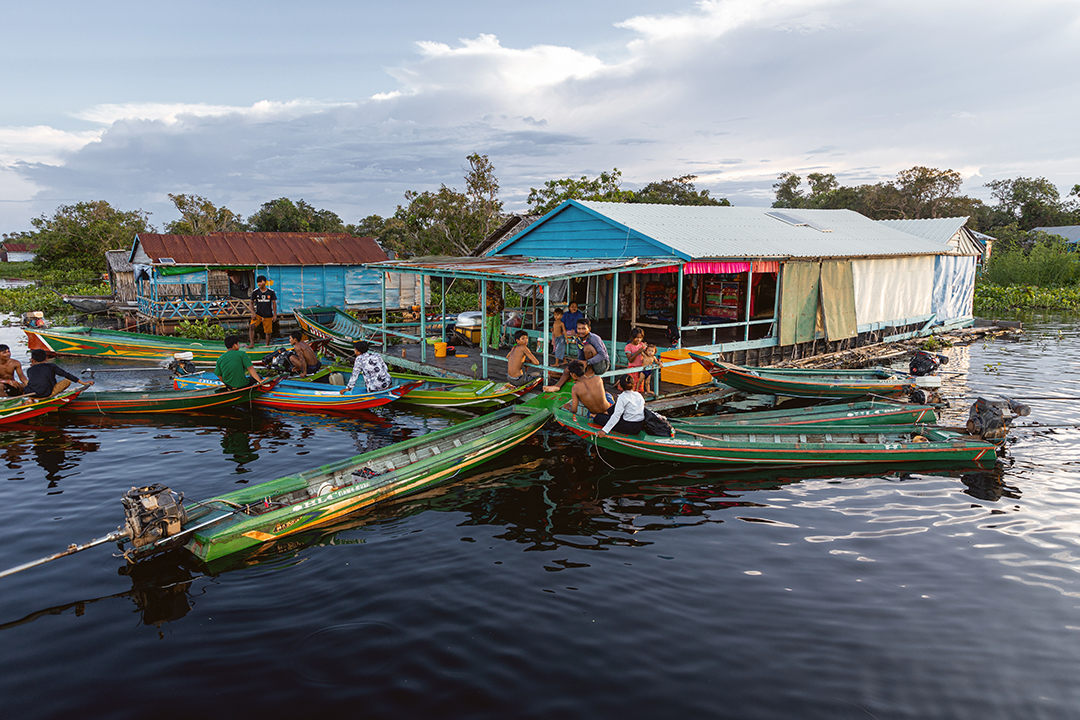
However, it would be remiss to only acknowledge these urban metropolises. Dotted along the riverbank are communities that have adapted to the river’s ebb and flow, creating unique ways of life that are intertwined with the water. This adaptation is most notably exemplified by villages along the river system, such as Phat Sandai in Tonle Sap Lake. In Phat Sandai, the villagers’ homes, community centers and even schools are built untethered to the riverbed, floating freely along the river’s surface.
What cities are located along the Mekong River?
From the Funan Kingdom and the Khmer empire, to the Khmer Rouge regime and present day, the Mekong River has seen the rise and fall of civilizations. The resources the Mother of Water provides, along with its cultural and strategic significance has led to a multitude of cities and villages being set up on its banks. Most notable is Phnom Penh, the capital of Cambodia. Steeped in culture and the arts, the “Pearl of Asia” as it is known is a destination that most tourists have on their bucket lists for their Southeast Asian tour. Similarly, Ho Chi Minh City in Vietnam, affectionately nicknamed “Paris of the Orient” due to the French influence of its cityscape, is also located in the Mekong Delta.
However, it would be remiss to only acknowledge these urban metropolises. Dotted along the riverbank are communities that have adapted to the river’s ebb and flow, creating unique ways of life that are intertwined with the water. This adaptation is most notably exemplified by villages along the river system, such as Phat Sandai in Tonle Sap Lake. In Phat Sandai, the villagers’ homes, community centers and even schools are built untethered to the riverbed, floating freely along the river’s surface.
How long is the Mekong River?
The Mekong River is 4900 kilometers, or a little over 3000 miles, long. The river also occupies a massive 795,000 km² area (307,000 sq mi), discharging 475 km3 of water annually into the South China Sea.
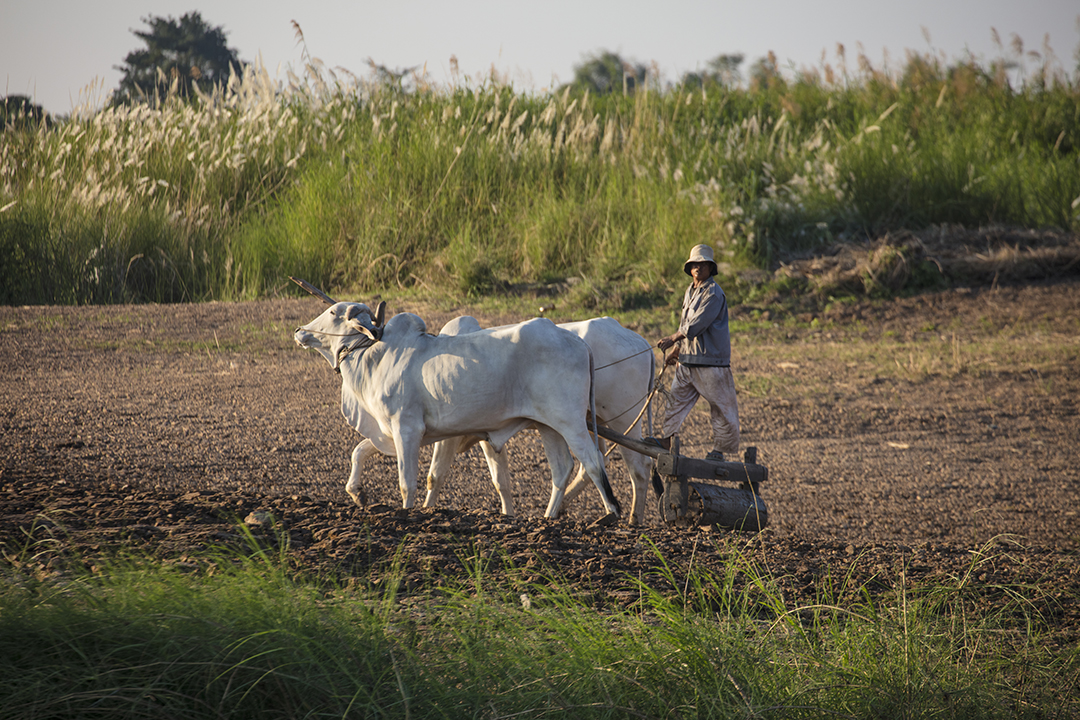
This intricate network of waterways supports a rich agricultural landscape, earning it the title of being the “Rice Bowl” of Asia. The water supplied by the Mekong Delta fuels the surrounding wetlands, making it perfect for the cultivation of rice. Additionally, by being the largest inland fishery in the world, with 25% of the world’s freshwater catch coming from its waters, the presence of the Mekong River serves as an economic advantage for the countries it runs through.
How long is the Mekong River?
The Mekong River is 4900 kilometers, or a little over 3000 miles, long. The river also occupies a massive 795,000 km² area (307,000 sq mi), discharging 475 km3 of water annually into the South China Sea.
This intricate network of waterways supports a rich agricultural landscape, earning it the title of being the “Rice Bowl” of Asia. The water supplied by the Mekong Delta fuels the surrounding wetlands, making it perfect for the cultivation of rice. Additionally, by being the largest inland fishery in the world, with 25% of the world’s freshwater catch coming from its waters, the presence of the Mekong River serves as an economic advantage for the countries it runs through.
What wildlife can be seen in the Mekong Delta?
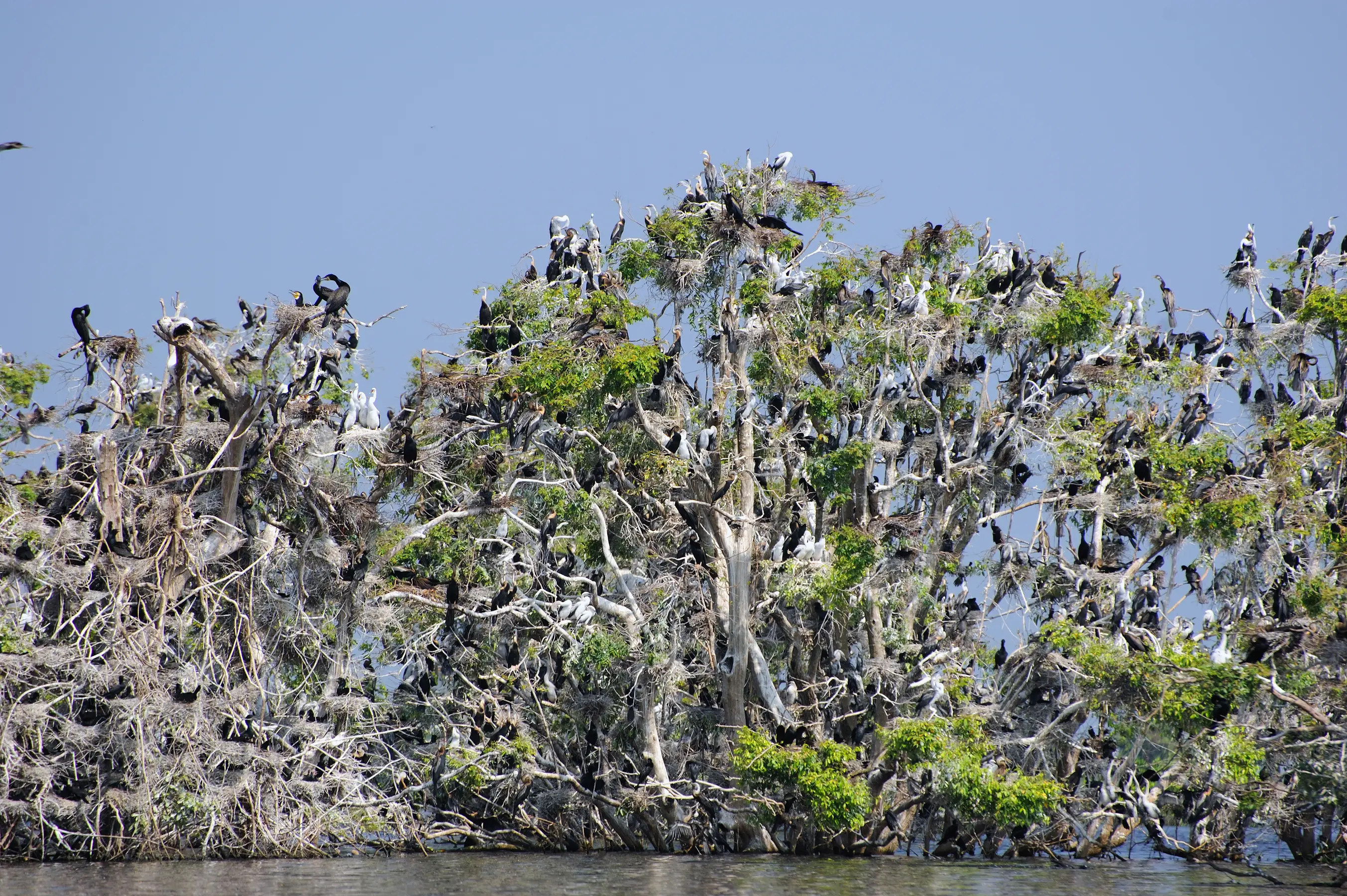
The Mekong Delta is one of the world’s most biodiverse and fertile regions on the planet, supporting a myriad of terrestrial and aquatic life. It is home to over 1000 animal species, with over 450 of them being fish. Among its marine inhabitants is the Elephant Ear fish, a staple in the local cuisine.
A popular hotspot for birdwatching, the river serves as a habitat for a wide array of bird species, such as waterfowls, kingfishers, egrets, and herons, which thrive in the river’s ecosystem. Moreover, the Mekong River system provides a sanctuary for several rare and endangered species. Among these are the Milky Stork, Spot-Billed Pelicans, and Greater Adjutant, all of which are in decline due to a combination of hunting activities, deforestation, and pollution.
What wildlife can be seen in the Mekong Delta?
The Mekong Delta is one of the world’s most biodiverse and fertile regions on the planet, supporting a myriad of terrestrial and aquatic life. It is home to over 1000 animal species, with over 450 of them being fish. Among its marine inhabitants is the Elephant Ear fish, a staple in the local cuisine.
A popular hotspot for birdwatching, the river serves as a habitat for a wide array of bird species, such as waterfowls, kingfishers, egrets, and herons, which thrive in the river’s ecosystem. Moreover, the Mekong River system provides a sanctuary for several rare and endangered species. Among these are the Milky Stork, Spot-Billed Pelicans, and Greater Adjutant, all of which are in decline due to a combination of hunting activities, deforestation, and pollution.