12 Apr 2024|East Indonesia, Wildlife
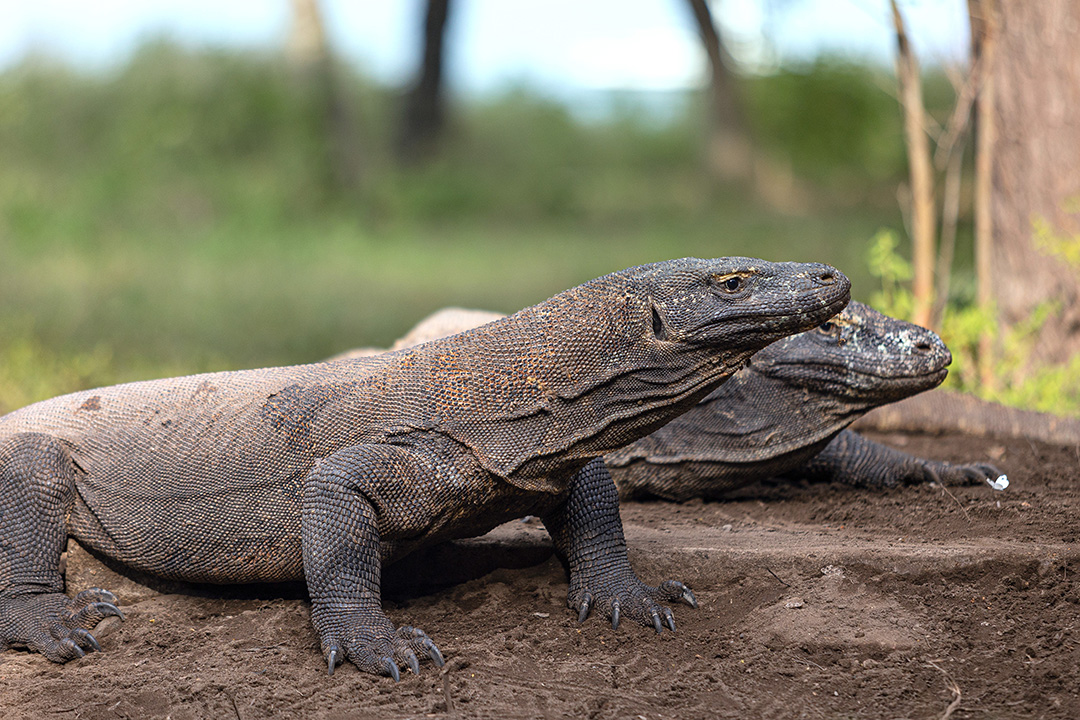
The Komodo dragon, the king of the lizards, is the world’s largest and heaviest reptile. Named after the island where humans spotted a dragon-like creature for the first time, the Komodo dragon is an endemic Indonesian species found on Komodo Island and its neighboring islands.
On our Komodo Island itineraries, we sail to Loh Buaya on Rinca Island, Nusa Tenggara. Famous for stunning sceneries and calm winds, it is the perfect atmosphere for trekking and for your up-close encounters with these prehistoric Komodo dragons. Another hotspot will be Horseshoe Bay at the southern end of the islands, where you can visit the dragon’s favourite haunts aboard the Aqua Blu skiffs.
The Komodo Dragon’s size, made up of a long tail, strong and agile neck, and the forked tongue makes for a mean sight to behold. Even more so, in recent years, visitors have increasingly swamped this Indonesian island, intimidated by the thrill of coming so close to such a wild and endangered creature.
Komodo dragon Size and Weight
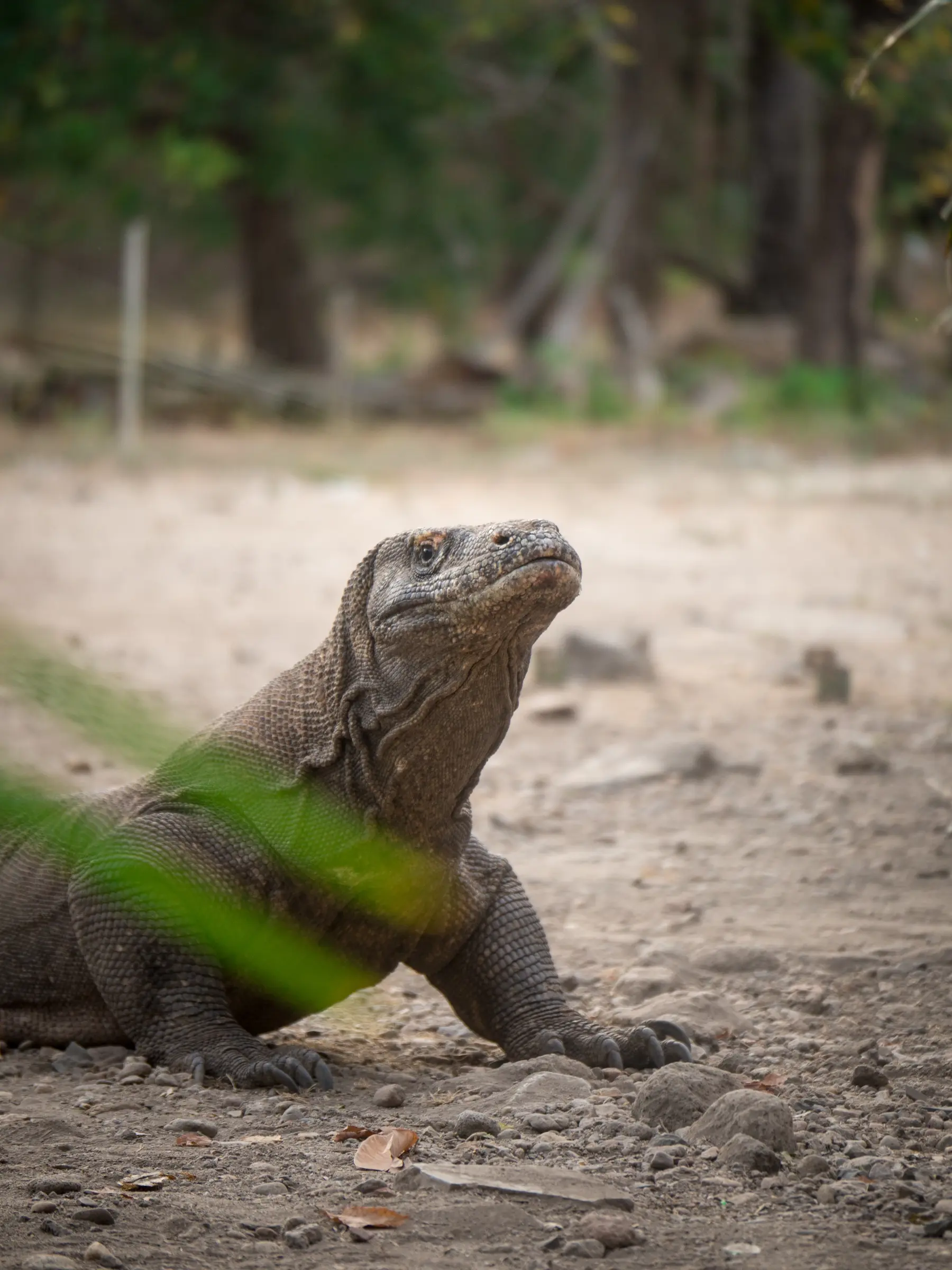
These giant lizards can reach up to 10 feet in length! Male dragons can grow up to 10 feet (or three meters long), while females can grow up to eight feet (or two and a half meters long). They have a muscular tail that is almost as long as the length of their bodies. Some of them weigh a whopping 136 kg (300 pounds), with the average weight of the Komodo dragon being about 80 kg (176 pounds). With massive claws and powerful legs, the Komodo dragon can run very fast in short bursts, and are also strong swimmers.
Komodo dragon Size and Weight
These giant lizards can reach up to 10 feet in length! Male dragons can grow up to 10 feet (or three meters long), while females can grow up to eight feet (or two and a half meters long). They have a muscular tail that is almost as long as the length of their bodies. Some of them weigh a whopping 136 kg (300 pounds), with the average weight of the Komodo dragon being about 80 kg (176 pounds). With massive claws and powerful legs, the Komodo dragon can run very fast in short bursts, and are also strong swimmers.
Komodo dragon Conservation Status
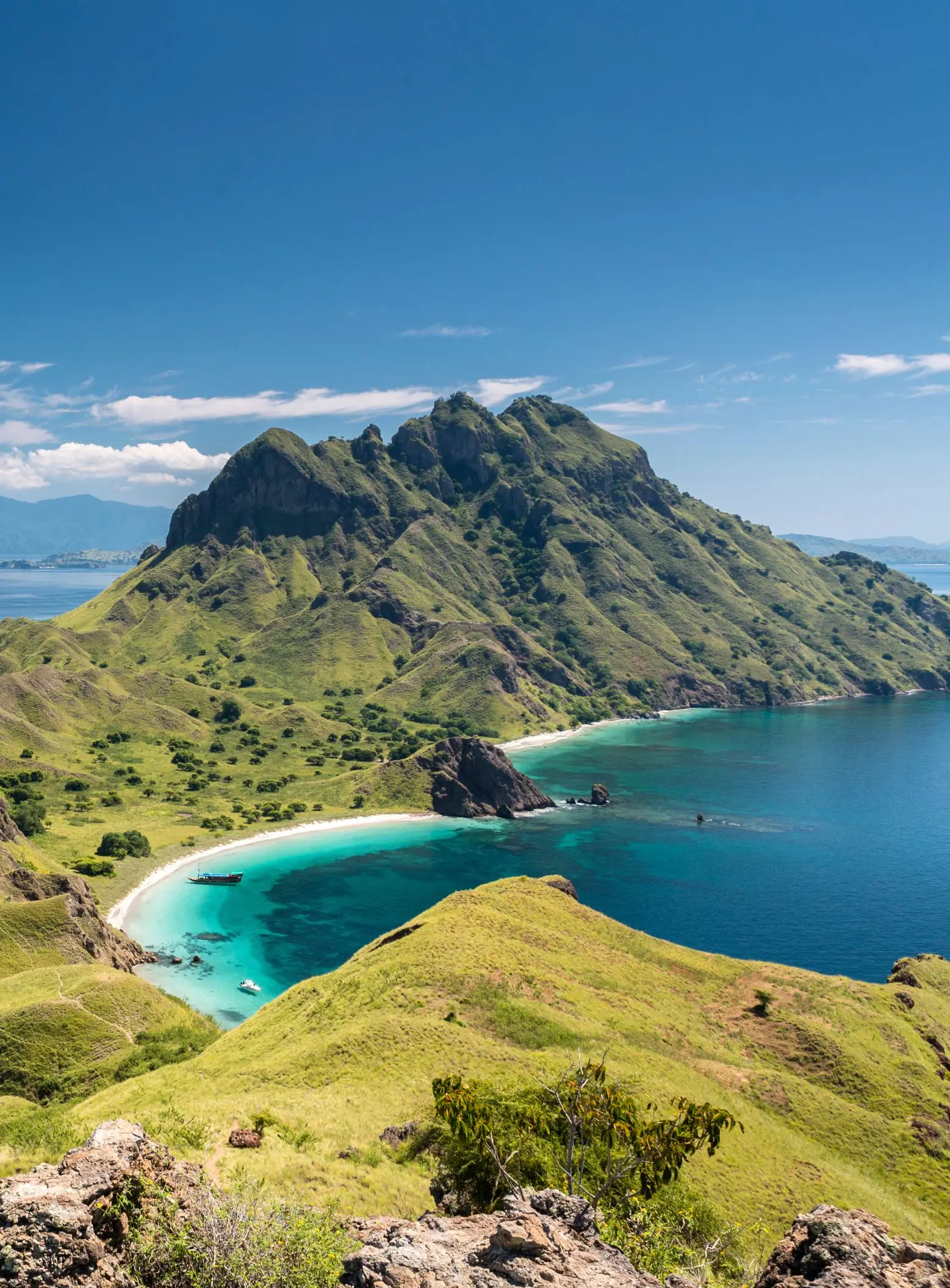
Komodo dragons were discovered by western scientists in the beginning of the 20th century. Since then, they have been an object of observation and have gradually become a popular tourist attraction. In 1980, Indonesia established the Komodo National Park to preserve and protect the endemic Komodo dragon and other endemic species of the rich marine environment, including the orange-footed scrub fowl and the timor deer. Today, Komodo National Park is a UNESCO World Heritage site.
The conservation status of the Komodo dragon has classified them as a vulnerable species. In spite of all efforts, the influx of tourism may be posing a threat to the environmental conditions of the dragon’s natural habitat, interfering their mating process and resulting in a decreasing number of offspring. Moreover, Komodo dragons that live outside of the National Park are also at risk, due to quick shrinking of their habitat, as impacted by the increased human population. Possibly the biggest threat for the lizards are the illegal poachers who steal the dragons in order to sell them at high prices.
Komodo dragon Conservation Status
Komodo dragons were discovered by western scientists in the beginning of the 20th century. Since then, they have been an object of observation and have gradually become a popular tourist attraction. In 1980, Indonesia established the Komodo National Park to preserve and protect the endemic Komodo dragon and other endemic species of the rich marine environment, including the orange-footed scrub fowl and the timor deer. Today, Komodo National Park is a UNESCO World Heritage site.
The conservation status of the Komodo dragon has classified them as a vulnerable species. In spite of all efforts, the influx of tourism may be posing a threat to the environmental conditions of the dragon’s natural habitat, interfering their mating process and resulting in a decreasing number of offspring. Moreover, Komodo dragons that live outside of the National Park are also at risk, due to quick shrinking of their habitat, as impacted by the increased human population. Possibly the biggest threat for the lizards are the illegal poachers who steal the dragons in order to sell them at high prices.