17 Apr 2024|East Indonesia, Cuisine
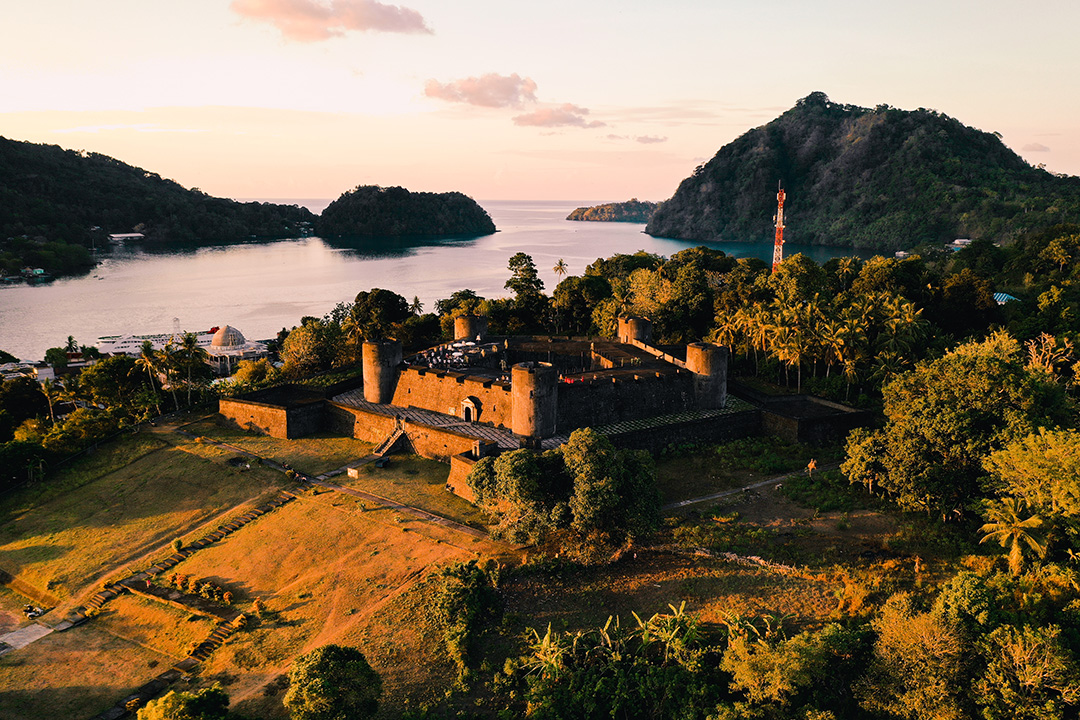
The Maluku Islands, also known as the Spice Islands, were at the heart of the world’s spice trade during the 15th century, producing exotic spice varieties that were in demand for their culinary and medicinal uses.
Today, Indonesia remains a leading spice producer, said to have cultivated half of the world’s spice varieties. The archipelago’s rich, fertile soil and tropical climate are ideal for growing cloves, nutmeg, mace, and fiery pepper varieties. Discover the best of these spices and how they contribute to different aspects of life in the region.
Nutmeg
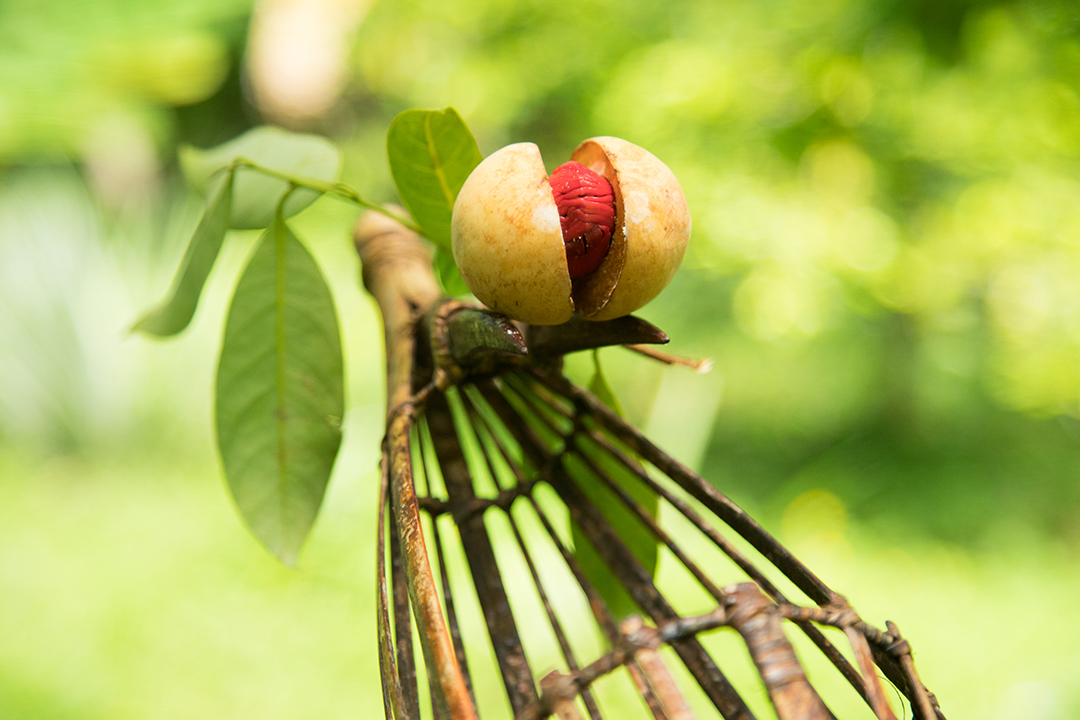
The Banda Islands, part of the larger Maluku Islands group, were the earliest cultivators of nutmeg and provided the world’s primary source of the revered spice until the mid-19th century. This warm, fragrant spice, used in savory and sweet dishes, and for medicinal purposes, is grown from the seed of nutmeg, or Myristica Fragrans, a perennial tree native to the islands. Indonesia is still one of the world’s largest global producers and exporters of nutmeg.
Nutmeg
The Banda Islands, part of the larger Maluku Islands group, were the earliest cultivators of nutmeg and provided the world’s primary source of the revered spice until the mid-19th century. This warm, fragrant spice, used in savory and sweet dishes, and for medicinal purposes, is grown from the seed of nutmeg, or Myristica Fragrans, a perennial tree native to the islands. Indonesia is still one of the world’s largest global producers and exporters of nutmeg.
Mace
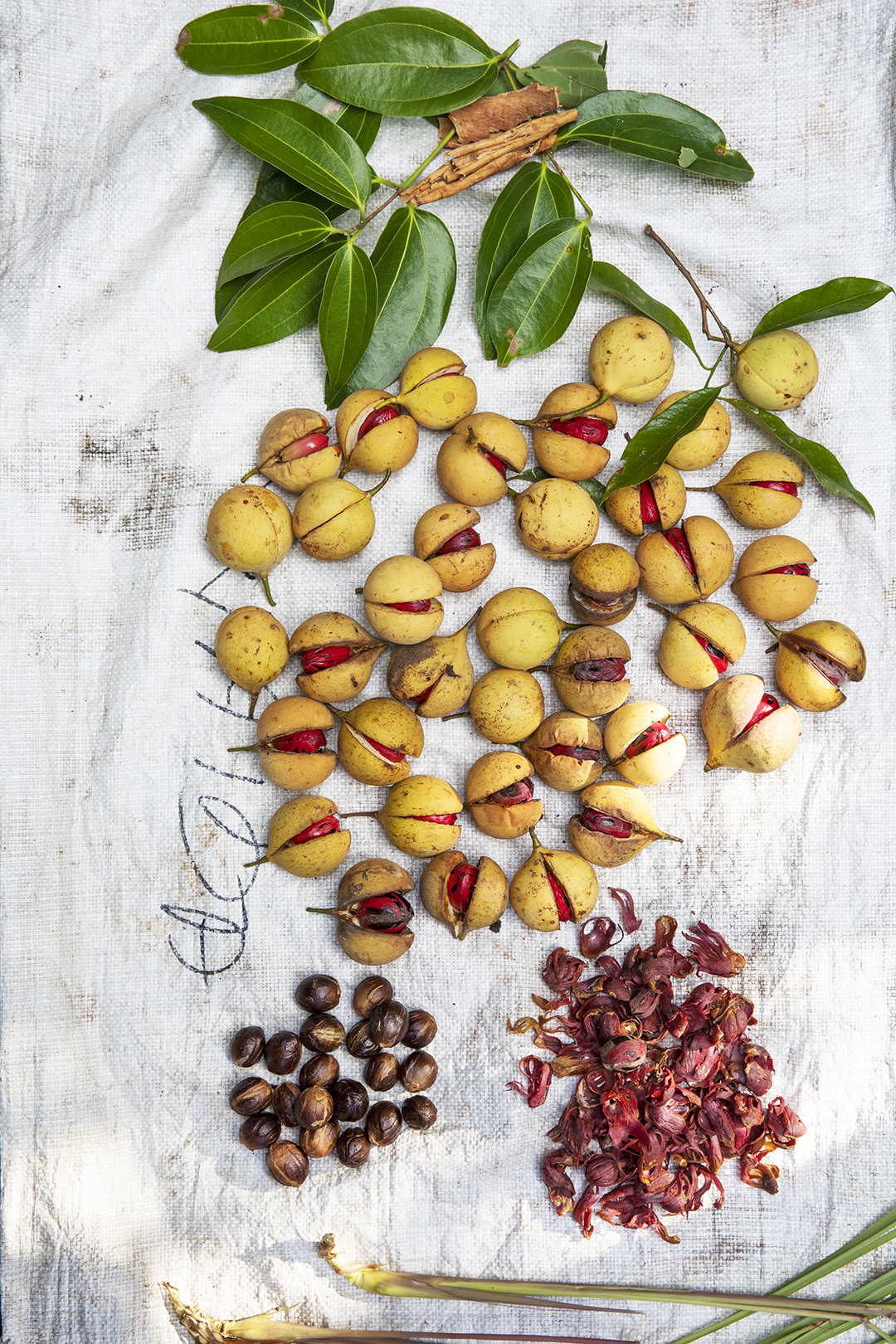
Mace is the sister spice of nutmeg, derived from the waxy crimson outer covering, or aril, of the nutmeg seed. Mace has a similar flavor and aroma to nutmeg but is milder and more delicate, with a rusty brown color when dried. Grown in the Banda Islands and North Sulawesi, this nutty spice is traditionally ground up and used in savory dishes like baked fish, curries and stews and in pickling and preserving. Contrary to popular belief, there is no connection to ‘mace’ spray, which is made from capsicum!
Mace
Mace is the sister spice of nutmeg, derived from the waxy crimson outer covering, or aril, of the nutmeg seed. Mace has a similar flavor and aroma to nutmeg but is milder and more delicate, with a rusty brown color when dried. Grown in the Banda Islands and North Sulawesi, this nutty spice is traditionally ground up and used in savory dishes like baked fish, curries and stews and in pickling and preserving. Contrary to popular belief, there is no connection to ‘mace’ spray, which is made from capsicum!
Cloves
Indonesian cloves are native to the Spice Islands – primarily grown on the islands of Ternate and Tidore. These high-quality cloves boast an intense spicy flavor and strong perfume – a staple in traditional Indonesian cuisine. Cloves are also used in the pungent and popular Kretek cigarettes that are favored by locals. Derived from the aromatic flower buds of S. aromaticum, a native tree that can grow up to 12 meters high, cloves are harvested in the dry season of June-August and are used widely throughout the world in preserving, marinades and spice blends.
Cloves
Indonesian cloves are native to the Spice Islands – primarily grown on the islands of Ternate and Tidore. These high-quality cloves boast an intense spicy flavor and strong perfume – a staple in traditional Indonesian cuisine. Cloves are also used in the pungent and popular Kretek cigarettes that are favored by locals. Derived from the aromatic flower buds of S. aromaticum, a native tree that can grow up to 12 meters high, cloves are harvested in the dry season of June-August and are used widely throughout the world in preserving, marinades and spice blends.
Pepper
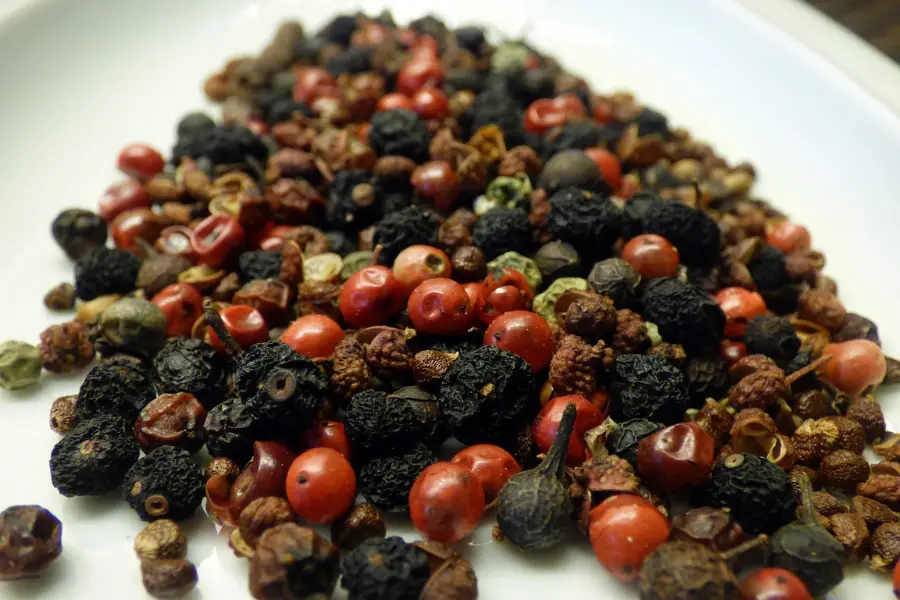
Indonesia’s thriving pepper industries are mostly located in Lampung, Bangka, Kalimantan and Sulawesi. Indonesia’s peppers come in a variety of peppery, lemony and spicy flavors that are popular around the globe.
Pepper
Indonesia’s thriving pepper industries are mostly located in Lampung, Bangka, Kalimantan and Sulawesi. Indonesia’s peppers come in a variety of peppery, lemony and spicy flavors that are popular around the globe.
Batak pepper
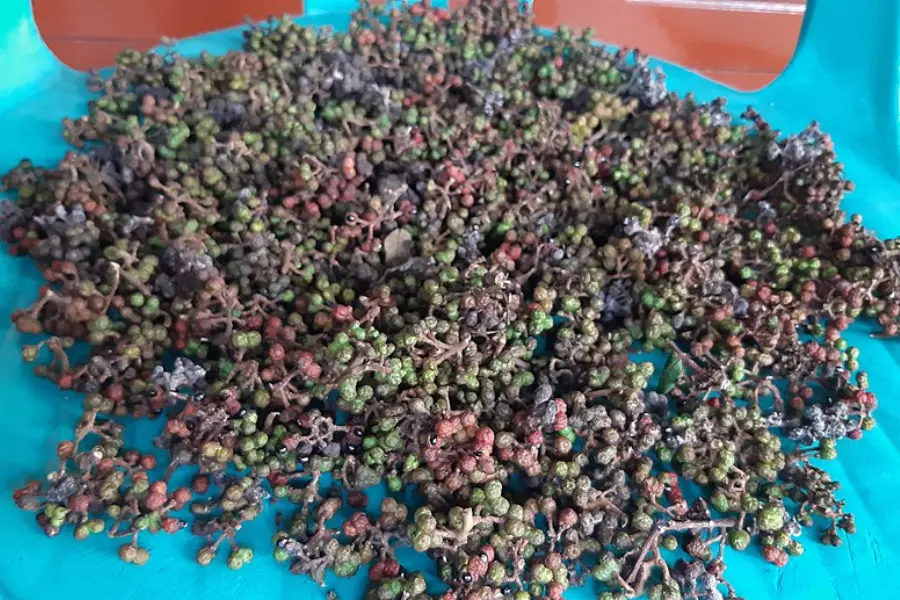
Batak or Andaliman pepper has been coined the ‘Indonesian Lemon Pepper’ for its citrus zing and warm, peppery flavor. Grown in the North Sumatran highlands, the Andaliman plant has large, noxious thorns that farmers must contend with to harvest the spice. Commonly used in sambals and for spicing up seafood and poultry, Batak pepper has a slightly numbing mouthfeel similar to the Chinese Sichuan pepper. It’s also used as a food preservative and in traditional medicine.
Batak pepper
Batak or Andaliman pepper has been coined the ‘Indonesian Lemon Pepper’ for its citrus zing and warm, peppery flavor. Grown in the North Sumatran highlands, the Andaliman plant has large, noxious thorns that farmers must contend with to harvest the spice. Commonly used in sambals and for spicing up seafood and poultry, Batak pepper has a slightly numbing mouthfeel similar to the Chinese Sichuan pepper. It’s also used as a food preservative and in traditional medicine.
Cubeb pepper
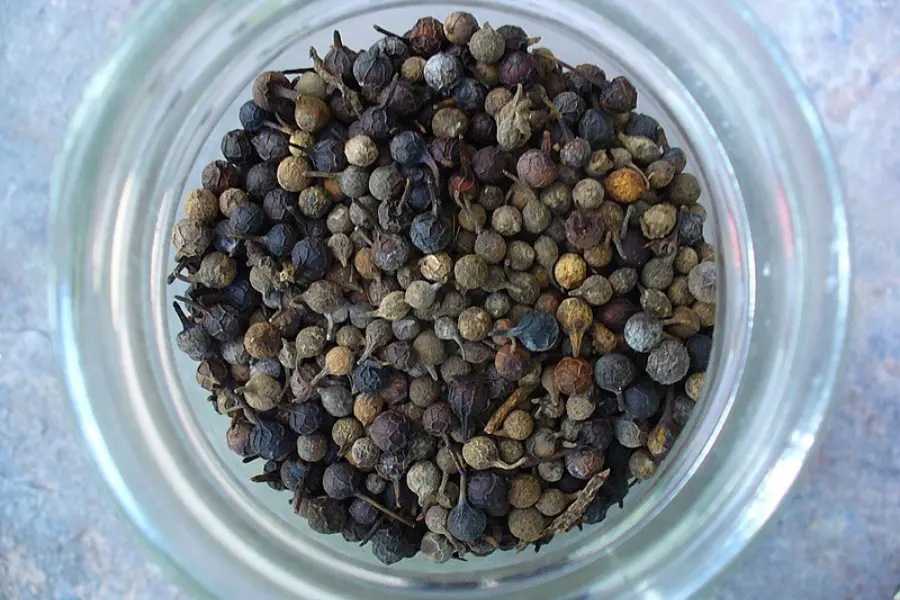
Cubeb pepper is also known as ‘tailed pepper’, because of the stalk that remains on the dried berry or ‘Java pepper’ because it’s grown on the Island of Java. Harvested from the berries of the Piper Cubeba plant, Cubeb has a mild, peppery flavor, with hints of nutmeg and allspice. It can be ground with nutmeg, cloves and ginger to create a four-spice blend, or used to season game, soups and stews. It’s also well-known as a medicinal plant for ailments ranging from asthma to indigestion.
Cubeb pepper
Cubeb pepper is also known as ‘tailed pepper’, because of the stalk that remains on the dried berry or ‘Java pepper’ because it’s grown on the Island of Java. Harvested from the berries of the Piper Cubeba plant, Cubeb has a mild, peppery flavor, with hints of nutmeg and allspice. It can be ground with nutmeg, cloves and ginger to create a four-spice blend, or used to season game, soups and stews. It’s also well-known as a medicinal plant for ailments ranging from asthma to indigestion.
Long pepper
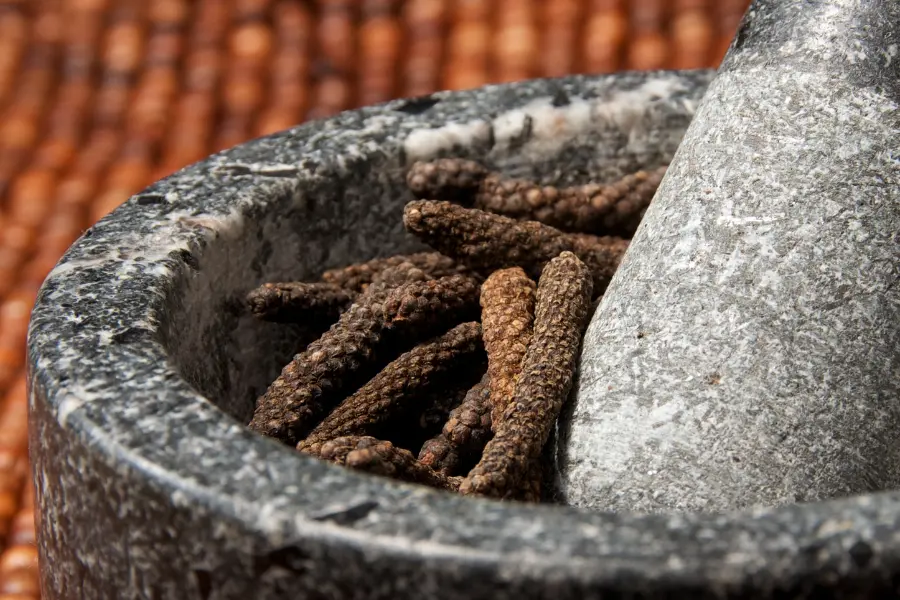
A relative of white and black pepper, the long pepper or Java long pepper has an unusual shape that resembles a tiny, slender pinecone. Indigenous to Indonesia, it comes from a vine pepper tree called Piper Longum and has an earthy, sweet, spicy flavor that marries well with galangal and turmeric in traditional Indonesian curries and soups. Highly sought after by merchants during the Spice Trading era, long pepper is also used in Ayurvedic medicine to treat parasites and other health issues.
Long pepper
A relative of white and black pepper, the long pepper or Java long pepper has an unusual shape that resembles a tiny, slender pinecone. Indigenous to Indonesia, it comes from a vine pepper tree called Piper Longum and has an earthy, sweet, spicy flavor that marries well with galangal and turmeric in traditional Indonesian curries and soups. Highly sought after by merchants during the Spice Trading era, long pepper is also used in Ayurvedic medicine to treat parasites and other health issues.
Black pepper
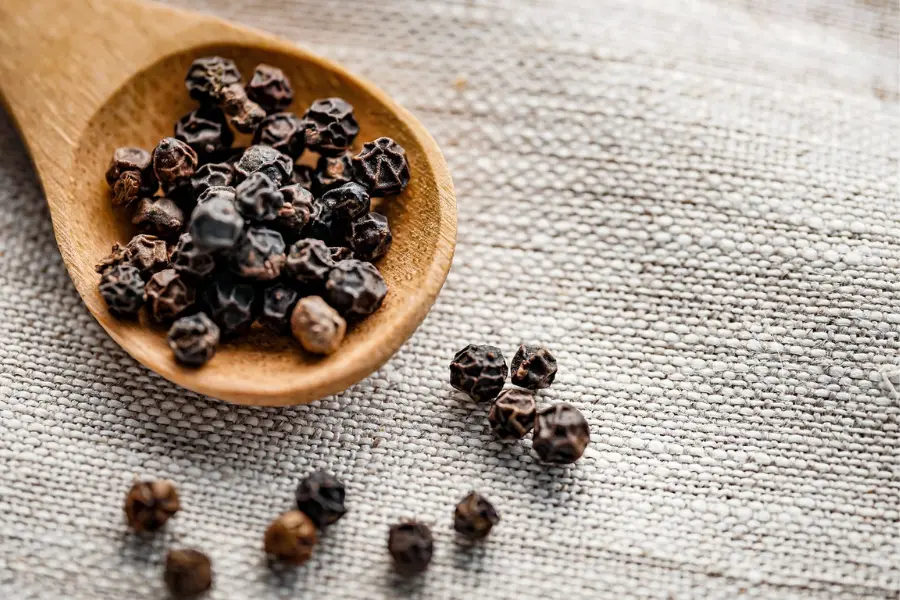
Home to approximately 29,000 black pepper farmers, Lampung Province in Southern Sumatra is the epicenter of Indonesia’s black pepper industry. Lampung’s fertile volcanic soil, high annual rainfall and tropical climate provide the ideal environment for cultivating black pepper vines. Known for its woody flavor, fiery afterburn and citrus scent, Lumpung peppercorns are smaller than regular black peppercorns, but are hotter and sharper in flavor. They’re often used to season red meats, risottos, pastas and grilled fish.
Black pepper
Home to approximately 29,000 black pepper farmers, Lampung Province in Southern Sumatra is the epicenter of Indonesia’s black pepper industry. Lampung’s fertile volcanic soil, high annual rainfall and tropical climate provide the ideal environment for cultivating black pepper vines. Known for its woody flavor, fiery afterburn and citrus scent, Lumpung peppercorns are smaller than regular black peppercorns, but are hotter and sharper in flavor. They’re often used to season red meats, risottos, pastas and grilled fish.
White pepper
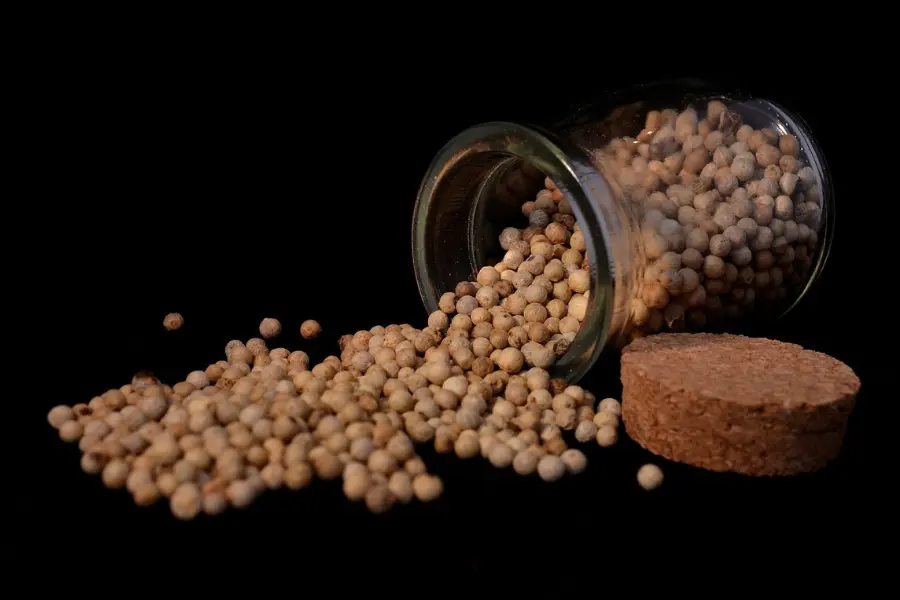
Muntok white pepper, originating from Indonesia’s Bangka Island in the Sumatra archipelago, is one of the most popular white peppers in Europe for its distinct flavor and aroma. To reveal their lighter side, Muntok peppercorns are soaked or run under water until the husk of the black, ripe berry dislodges and the pale white kernel is left behind for processing. It’s commonly used in Asian cuisine for hot and sour soups, and in Europe for potato dishes and creamy white sauces.
White pepper
Muntok white pepper, originating from Indonesia’s Bangka Island in the Sumatra archipelago, is one of the most popular white peppers in Europe for its distinct flavor and aroma. To reveal their lighter side, Muntok peppercorns are soaked or run under water until the husk of the black, ripe berry dislodges and the pale white kernel is left behind for processing. It’s commonly used in Asian cuisine for hot and sour soups, and in Europe for potato dishes and creamy white sauces.